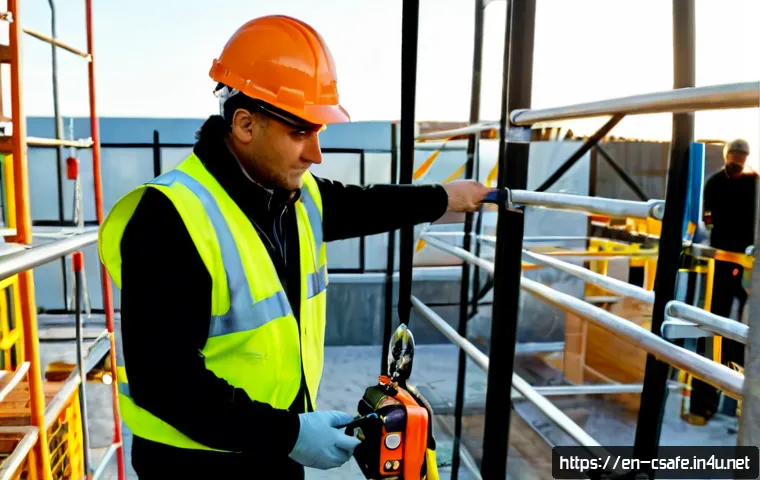
Successful candidates usually focus on explaining safe decisions clearly under practical conditions, not simply memorizing safety terms. Self-study can work when you already have relevant site exposure and can practice realistic answers, while a course, mock assessment, or coach may be useful when you need structured feedback or hands-on practice.

The right preparation option depends on your schedule, access to job-site scenarios, and confidence in speaking through a safety process. Instead of relying on marketing claims, compare what each option actually includes: feedback, scenario practice, materials, and practical access.
Exact exam rules, scoring, and provider approval requirements should always be checked with the relevant licensing body.
At a Glance
- Self-study may be enough if you can turn real workplace experience into clear, structured practical answers.
- Mock exams and practical coaching can be useful when you need direct feedback on explanations, terminology, and timing.
- Choose preparation based on practice access, feedback quality, schedule, and total cost, not promises of a pass.
| Preparation option | Best suited to | What to compare |
|---|---|---|
| Self-study materials | Candidates with site experience and reliable study habits | Quality of scenario questions, current terminology, and your ability to check your own answers |
| Instructor-led exam prep course | Candidates wanting a planned curriculum and group discussion | Practical exercises, instructor access, class schedule, and included materials |
| Mock practical assessment | Candidates who need to test answer structure and time management | Specificity of feedback, realism of scenarios, and whether a review is included |
| One-to-one coaching | Repeat test-takers or busy workers needing targeted support | Coach qualifications, session focus, flexibility, and full cost |
What Passing Candidates Commonly Emphasize About the Practical Exam
Useful candidate insights tend to center on one point: practical assessments reward an answer that connects a hazard to a sensible action. Knowing a definition is helpful, but a strong response usually explains what the danger is, who may be affected, what control is needed, and how the control would be checked. The exact assessment format may vary, so confirm the official requirements before building your study plan.
Practice Explaining Safety Decisions Clearly, Not Just Memorizing Terms
Try saying your answers aloud. Start by identifying the unsafe condition, then describe the possible consequence and the control measure. For example, rather than stopping at “fall hazard,” explain what creates the exposure, what should be controlled, and what verification step should follow. This approach helps prevent vague answers that sound familiar but do not show practical judgment.
Use Realistic Job-Site Scenarios to Identify Hazards and Controls
Use scenarios from construction work you understand, such as access routes, lifting activities, work at height, tools, temporary works, traffic movement, or housekeeping. Do not depend on a long list of hazards alone. Ask yourself:
What changes first? Who needs to be informed? What control is practical in this situation?
If you use workplace examples, remove project names, client details, and other confidential information.
Build a Repeatable Answer Structure for Practical Questions
A repeatable structure can make pressure easier to manage: identify the hazard, state the possible harm, explain the control, then describe how compliance or effectiveness would be checked. This is not a substitute for knowing the official standard, but it can help you present your knowledge in a logical order. Practice keeping the answer direct instead of adding unrelated safety topics.
Preparation Options Compared: Self-Study, Courses, Mock Exams, and Coaching
There is no single best exam-prep route. The sensible option is the one that closes your biggest gap: knowledge, practical access, answer delivery, or feedback. A low-cost route may be enough for an experienced worker, while paid practical training may be more valuable for someone who has limited exposure to active construction tasks.
When Low-Cost Self-Study Can Be a Sensible Choice
Self-study is a reasonable choice when you can follow official guidance, set aside regular practice time, and obtain realistic questions or scenarios. It works best when you already understand common site controls and can ask a supervisor, experienced colleague, or study partner to challenge your explanations. The risk is studying in isolation and repeating an unclear answer without noticing the weakness.
What Paid Practical Training Should Provide Before It Is Worth the Fee
An instructor-led course or practical exam coaching service should offer more than slides and general reassurance. Look for scenario-based practice, opportunities to explain decisions aloud, useful correction, and clear information about what is included. A mock-test package may be especially relevant if it gives feedback on answer structure and timing rather than only a score or generic comments.
Comparison Criteria: Instructor Feedback, Scenario Practice, Schedule, and Total Cost
Compare the full commitment, not just the advertised course fee. Check whether materials, mock assessments, follow-up feedback, rescheduling, or practical sessions are included. For employed site staff, the timing may matter as much as price. A lower-priced option is not necessarily better if it conflicts with shifts or offers no chance to practice practical explanations.
Practical Preparation Process and Common Mistakes to Avoid
A practical plan should make regular practice manageable. Focus on core hazard categories, but keep linking them to decisions and verification. The most common preparation error is treating safety terminology as the final answer rather than the starting point.
Create a Weekly Practice Plan Around Core Hazard Categories
Choose a small number of hazard categories for each study session. Review the terminology, then answer one or two realistic scenarios aloud. Finish by noting where your explanation was incomplete: the hazard, consequence, control, or check. This gives you a practical record of what needs more attention without relying on passive reading.
Avoid Vague Answers That Do Not Explain the Control Measure
Statements such as “use PPE” or “be careful” may be incomplete when they do not explain the actual control. Where appropriate, describe the physical condition, work method, supervision, communication, or inspection needed. Keep the answer relevant to the scenario. Adding every possible control can make the response less clear.
Check Terminology, Procedure Order, and Time Management
Use the terminology expected by the relevant exam authority where possible, but do not force jargon into every sentence. Practice a sensible order: assess the situation, address immediate risk where needed, apply controls, communicate, and verify. The required procedure and time limits must be confirmed through current official exam information.
Advice by Candidate Situation
For Full-Time Construction Workers With Limited Study Hours
Use short, repeatable sessions tied to situations you see at work. After a shift, choose one task and explain its hazards and controls in a few minutes. If a group course is difficult to attend, a flexible mock assessment or focused coaching session may be easier to compare than a broad course schedule.
For Candidates Without Regular Access to Active Job Sites
Prioritize visual scenarios, practical exercises, and discussion of how controls work in sequence. A structured course may offer useful exposure if it includes realistic practice rather than only theory. Before paying, ask whether practical access is included and what kind of feedback you will receive.
For Repeat Test-Takers Who Need Targeted Feedback
Do not automatically repeat the same study method. Identify whether the issue was knowledge, interpretation of the task, incomplete explanations, terminology, or time pressure. One-to-one practical coaching or a detailed mock assessment may be worth considering if it addresses that specific weakness.
Turning Workplace Experience Into Strong Practical Answers
Workplace experience can be a major advantage when it is expressed clearly. The goal is not to tell a dramatic story. It is to show that you can recognize risk and choose proportionate controls.
Describe Hazards, Consequences, Controls, and Verification Steps
Use a simple sequence: “I would identify the hazard, explain the likely consequence, apply the relevant control, and check that it is working.” For example, describe what could expose workers to harm, what action reduces that exposure, and how you would confirm the area or work activity remains safe. This structure keeps experience relevant to the question.
Use Examples Without Revealing Confidential Project Information
Generalize details from real work. You can refer to a lifting operation, an access issue, or a changing work area without identifying a company, project, worker, or client. This keeps examples professional while allowing you to show practical awareness.
Choosing a Preparation Option: Value and Comparison Summary
Before selecting a construction safety exam-prep course, mock test, or tutoring service, check these points:
- Feedback quality: Will someone explain what is missing from your practical answer?
- Scenario practice: Does the option let you work through realistic hazards and controls?
- Schedule: Can you attend or complete the sessions around site work and travel?
- Practical access: Is there hands-on or observation-based practice where relevant?
- Total cost: Are materials, feedback, mock assessments, and cancellation terms clear?
Check the provider’s page for course details, instructor qualifications, included materials, and current terms before committing.
Final Thoughts
The strongest preparation combines knowledge with clear practical communication. If you can identify hazards, explain controls, and verify the result in a logical order, your workplace experience becomes easier to demonstrate. Paid support may be useful when it provides specific feedback that you cannot obtain on your own. Always check the current rules with the official exam or licensing authority.
Useful Information to Keep in Mind
1. Keep a short practice log of scenarios that felt difficult.
2. Practice spoken explanations, not only written notes.
3. Compare mock tests by the quality of feedback, not only by convenience.
4. Ask what is included before booking any practical training or coaching.
Important Notes
Exam titles, eligibility, assessment methods, scoring, registration dates, fees, and approved training providers vary by country and licensing body. This guide does not confirm the requirements for any particular construction safety certification. Verify current official guidance before registering, purchasing a course, or relying on any preparation provider.
Frequently Asked Questions
Q1. Is a paid practical exam course worth it for construction safety certification candidates?
A1. It may be worthwhile if you need realistic practice, structured teaching, or direct feedback on your answers. If you already have relevant experience, reliable materials, and someone who can challenge your responses, self-study may be sufficient. Compare the actual learning support rather than assuming a higher price means better preparation.
Q2. What should I look for when comparing practical exam coaching or mock-test providers?
A2. Look for clear scenario practice, useful individual feedback, instructor qualifications, scheduling flexibility, included materials, total cost, and cancellation terms. Also confirm whether the provider’s approach aligns with the current requirements of your relevant exam authority.
Q3. Can site experience alone be enough to pass a construction safety practical exam?
A3. Site experience can provide strong examples and practical judgment, but it may not be enough if you cannot explain decisions in the expected format or use the required terminology. Combine experience with focused practice and current official exam information.