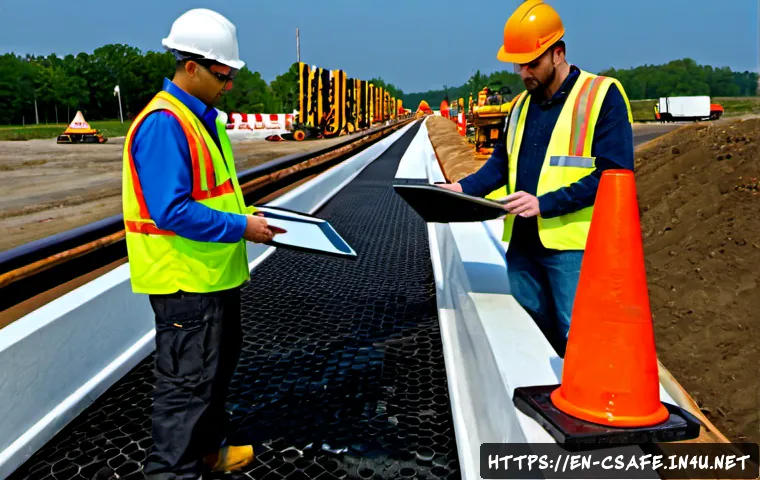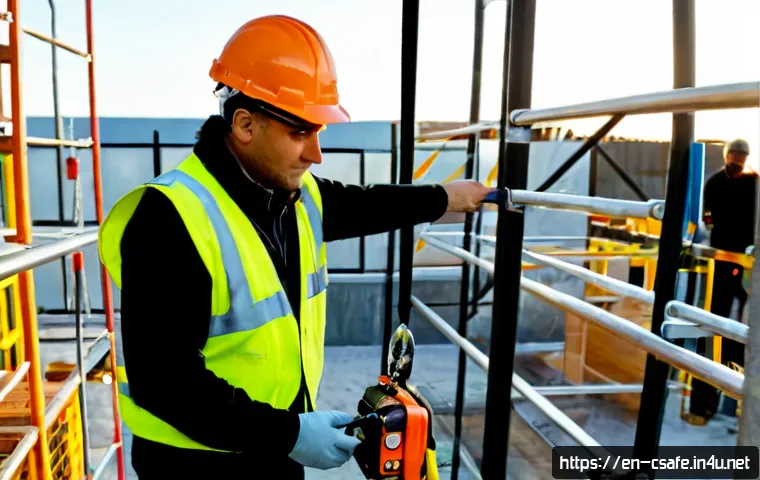
Repeat construction hazards are best prevented through clear follow-through: identify the pattern, assign one person to fix it, and verify the correction in the field.
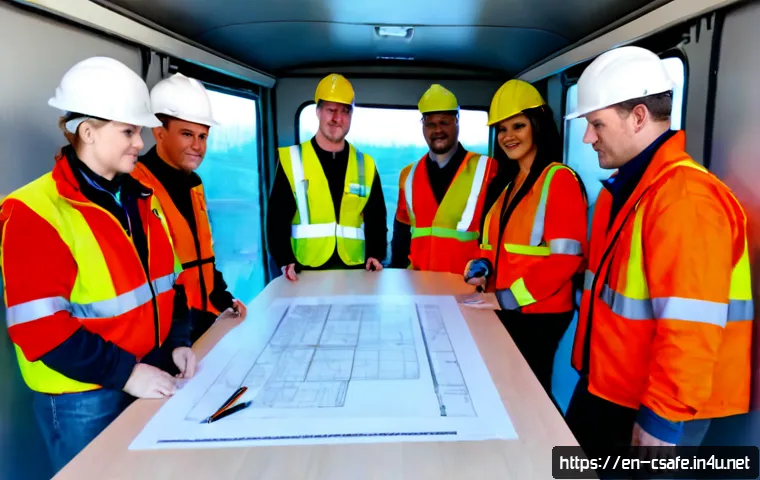
Internal toolbox talks and supervisor checks may be enough for routine, well-understood work, while changing sites, multiple contractors, or higher-risk activities may justify training, inspection software, or outside safety support.
The right choice depends on the gap you are trying to close, not on buying the most features or paperwork. A practical safety process connects daily work plans, inspections, worker feedback, and corrective-action records.
Before spending on a provider or platform, compare what it covers, who uses it, and how it helps the crew act before the next shift. PPE, training, and consulting can all add value, but none replaces effective hazard controls and site-specific communication.
At a Glance
- Repeat hazards usually point to weak follow-through, not simply a lack of forms or meetings.
- Match the support to the problem: a toolbox talk, task-specific training, inspection software, or external safety consulting may each fit different situations.
- Every corrective action needs an owner, a deadline, and field verification before it is considered complete.
| Option | Best Use | Limits to Consider | Cost Questions to Ask |
|---|---|---|---|
| In-house process | Routine work with an engaged supervisor and clear site controls | May be difficult when crews, locations, or work conditions change quickly | Who owns inspections, corrective actions, and record follow-up? |
| Safety training provider | New tasks, equipment, workers, or gaps in practical knowledge | Generic material may not match the actual work sequence | Does the scope include task-specific examples and attendance records? |
| Inspection software | Teams needing consistent inspection logs, photo records, and action tracking | Software does not correct hazards unless people use and review it | Are reporting, user access, support, and data export included? |
| Outside safety consultant | Complex sites, multiple subcontractors, higher-risk activities, or limited internal capacity | Site visits alone may not improve daily behavior without internal ownership | What site visits, reports, follow-up, and exclusions are included in the quote? |
The Practical Answer: Preventing Repeat Hazards Starts With Better Follow-Through
A repeat issue should be treated as a signal to examine the work process, not just the latest observation. Construction sites change as trades move, equipment arrives, access routes shift, and elevated work develops. A useful response connects what workers see with a specific correction that can be checked during real work.
Use site observations, near misses, and worker feedback to find recurring risks
Injury records do not always show the full picture. Near-miss reports, walkthrough observations, and worker feedback can reveal repeated conditions before someone is hurt. Look for patterns: the same blocked access area, the same equipment interaction, the same missing guard, or repeated confusion about who controls a shared work zone.
Keep the discussion practical. Ask what changed, where the task broke down, and what control was hard to use. This produces better information than asking only whether a rule was followed.
Assign one owner, one deadline, and one verification step for every corrective action
A corrective-action log becomes useful when it answers three basic questions:
Who will act? By when? How will the team confirm the fix works?
“Remind workers” is rarely a complete action. A stronger entry identifies the condition, the expected control, the responsible person, and the follow-up observation.
For example, if access is repeatedly affected by material storage, the fix may involve changing the storage location, assigning responsibility for maintaining the route, and checking the route before the next work period. The verification step matters because a correction that looks complete on paper may not work once production activity resumes.
Three actions to take before the next shift
- Review the day’s work sequence and identify where conditions may change.
- Communicate the relevant site-specific controls before workers start the task.
- Check open corrective actions and confirm that ownership is still clear.
These steps are short enough for a small crew but also useful on larger sites. The goal is not a longer meeting. It is a clearer connection between the planned work and the hazards workers will actually face.
Choose the Right Safety Support: Internal Process, Training, Software, or Consultant
The best safety investment is the one that addresses a visible operating gap. Before comparing safety training providers, PPE suppliers, inspection apps, or outsourced safety services, define what the internal team cannot reliably do today.
When a toolbox talk and supervisor check are enough
A focused toolbox talk and supervisor check may be sufficient when the work is familiar, the crew understands the controls, and the supervisor can observe the task directly. The talk should be tied to the actual equipment, work area, and sequence planned for that day. A general reminder without a site example is less likely to change behavior.
When safety training or competent-person support adds value
Additional safety training can be worth considering when workers are using unfamiliar equipment, performing a changed work sequence, or showing repeated uncertainty about controls. Outside competent-person support or construction safety consulting may also help where site conditions are complex, responsibilities overlap, or internal staff cannot provide regular follow-up.
Do not assume a course certificate or consultant report resolves the issue by itself. Ask how the provider connects training or site observations to your crew’s daily tasks and how open actions are tracked afterward.
Comparing inspection apps, PPE vendors, and outsourced safety services
Inspection software can help teams organize observations, photos, corrective actions, and reporting. Its value depends on whether supervisors and managers can use the records quickly during the workday. Review the reporting workflow, access for field users, and whether open items are easy to find.
When comparing a PPE supplier, focus on task fit, hazard fit, worker fit, compatibility with other equipment, and replacement needs. PPE is an important layer of protection, but it does not replace hazard controls. A product choice that is uncomfortable or unsuitable for the work may not be used consistently.
For an outsourced site-safety service, compare the scope of visits, reporting approach, follow-up process, and how the consultant works with supervisors and subcontractors. A lower quote may cover fewer site visits, less documentation support, or limited corrective-action follow-up.
Cost questions to ask before accepting a safety-service quote
- What activities, site visits, reports, and follow-up are included?
- Will the provider review actual work areas and work sequences?
- Who receives findings, and how are corrective actions tracked?
- Are training materials, travel, software access, or additional visits separate items?
- Can the provider explain exclusions and responsibilities in clear terms?
A Field-Tested Workflow for Daily Safety Checks
A daily workflow should be simple enough to use under production pressure. It should also be specific enough to capture changing conditions rather than repeating the same generic checklist every day.
Pre-task planning: match hazards to the day’s work sequence
Start with the work that is planned, the location where it will occur, the equipment involved, and nearby trades. Construction hazards often change because the sequence changes. A task that was controlled yesterday may need a fresh review when access, elevation, lifting activity, mobile equipment, or another trade affects the area.
Use the pre-task discussion to explain what the hazard is, what control applies, and what workers should do if conditions change. Clear hazard communication gives the crew a usable decision point before work begins.
Walkthrough inspections: look for changing conditions, not only obvious violations
Walkthroughs are more useful when they ask, “What has changed since the last check?” Look at work interfaces, travel paths, equipment movement, material storage, and areas where multiple trades overlap. This approach can identify unsafe conditions before they become repeat incidents.

A supervisor does not need to create a long report for every observation. The key is to capture the condition clearly enough that the responsible person knows what must change and the manager can verify completion.
Corrective-action logs that workers and managers can actually use
A workable log should show the issue, location, responsible person, target date, status, and verification note. Photos or inspection software can make the record easier to review, but the format is less important than the follow-through. Written records of inspections, training, and corrective actions support accountability when they reflect what happened on site.
Common Mistakes That Keep Hazards Coming Back
Treating paperwork as proof that the risk is controlled
A completed form may show that an inspection occurred, but it does not prove the field condition was corrected. Close an item only after someone checks that the control is in place and workable during the task.
Giving generic training without task-specific examples
Training is more effective when it reflects the equipment, work sequence, and site conditions workers will encounter. Use current examples from the project rather than relying only on broad safety language.
Buying PPE without checking fit, compatibility, and replacement needs
PPE selection should match the worker, task, and hazard. Review whether it can be used with other required equipment and whether the team understands inspection, care, and replacement expectations. If there is uncertainty about suitability, obtain a competent site assessment rather than assuming a product solves the exposure.
Closing an issue before confirming the fix works in the field
Many repeat hazards return because the action addressed the visible symptom but not the work process. Confirm the fix during normal activity, ask workers whether it is practical, and reopen the issue if the control is not holding.
Safety Priorities by Jobsite Situation
Small contractor crews with limited safety staff
Small crews can gain a lot from consistency. Use one short pre-task discussion, one focused walkthrough, and a simple open-action list. If the supervisor is carrying too many operational responsibilities to maintain follow-up, inspection software or periodic outside safety support may be worth comparing.
Sites with multiple subcontractors and changing responsibilities
Multi-contractor sites need clear communication about work areas, changing conditions, and ownership. Shared spaces can create gaps when each trade assumes another party will address the issue. Make corrective-action ownership visible and confirm who communicates changes to affected crews.
Higher-risk work involving heights, excavation, lifting, or mobile equipment
Higher-risk activities deserve closer planning and field verification because conditions can change quickly. Consider whether internal supervision has enough capacity and relevant competence for the work. The appropriate controls and any legal or contractual requirements must be confirmed for the location, project, and employer.
Selection Criteria and Comparison Summary
Before choosing a safety training provider, inspection platform, PPE vendor, or consultant, compare training scope, site visits, reporting tools, insurance requirements, quote inclusions, and corrective-action follow-up. Confirm whether the service fits your actual work sequence rather than a generic construction category. Review who will use the tool or service each day, who owns open actions, and how completion will be verified. Ask for a clear explanation of included services, exclusions, and any ongoing support. For product specifications, service scope, and detailed conditions, review the provider’s official information before choosing.
Closing Thoughts
Good construction safety management is not about producing more paperwork. It is about seeing site-specific risks early, communicating controls clearly, and making sure corrections remain effective when work changes. Internal processes can work well when supervisors have time and ownership is clear. When that capacity is missing, targeted training, software, PPE support, or outside consulting may help close a defined gap.
Useful Information to Keep in Mind
Near misses are useful data. They may reveal patterns that injury records do not show. Inspection records need follow-up. A log is most valuable when it leads to verified action. PPE is only one layer. It must suit the task, hazard, and worker, and it does not replace other hazard controls.
Important Notes
Legal duties, inspection frequency, documentation rules, insurance conditions, and contract requirements can vary by country, state, province, project, and employer. The suitability of a specific control, PPE item, software platform, training provider, or consultant cannot be determined without reviewing the actual site and service scope. Where hazards are complex or high-risk, seek an appropriate competent assessment for the jobsite.
Frequently Asked Questions
Q1. When should a small construction contractor hire an outside safety consultant?
A1. Outside support may be worth considering when the contractor lacks time or internal capacity for regular inspections and follow-up, when work conditions are becoming more complex, or when multiple parties need clearer coordination. Compare the consultant’s site-visit scope, reporting, corrective-action follow-up, and exclusions before deciding.
Q2. Is safety inspection software worth the cost for a small jobsite?
A2. It may be useful if the team needs a more consistent way to record inspections, assign actions, track open issues, and review photos or reports. It may add little value if nobody has clear responsibility for using the system and verifying corrections in the field.
Q3. What should a construction company compare before choosing a safety training provider?
A3. Compare whether the training reflects the crew’s actual tasks, equipment, and work sequence; how attendance and learning are documented; whether the provider offers practical site-specific examples; and what follow-up support is included. Also confirm the provider’s scope, quote inclusions, and any requirements that apply to your project or location.