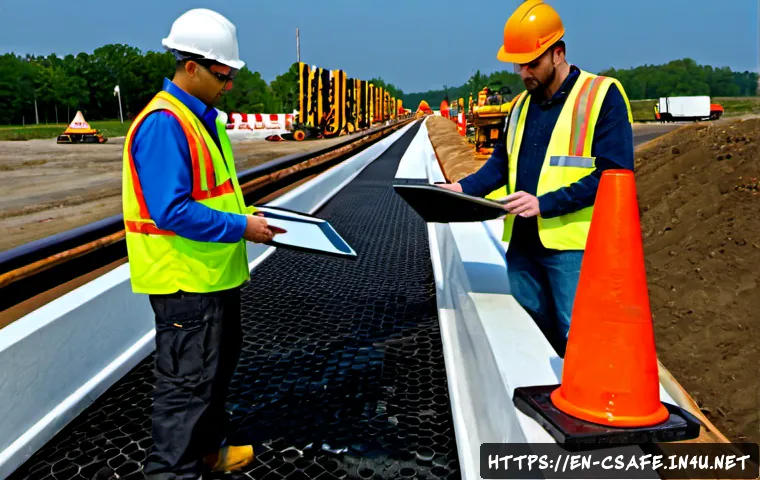
International construction safety guidance can improve site controls, but it does not automatically replace locally enforceable regulations, client rules, or contract requirements.
Use overseas technical resources as evidence of good practice only after checking how they fit the applicable jurisdiction and the actual work conditions.
For a small, stable project, internal research and clear supervisor briefings may be enough. Projects with multiple contractors, language barriers, frequent revisions, or higher-risk activities may benefit from compliance training, EHS management software, document translation support, or specialist safety consulting.
The best choice depends on the site’s complexity, workforce size, and documentation burden. A practical review process helps teams avoid copying a polished procedure that does not work in the field.
At a Glance
- International guidance supports good practice, but local legal duties and project requirements must be checked first.
- Choose support by complexity: self-managed research for simple work, stronger systems for coordination-heavy projects.
- Turn documents into task controls through local review, worker communication, revision control, and supervisor verification.
| Option | Best Fit | Main Benefit | Key Check Before Choosing |
|---|---|---|---|
| Self-managed technical research | Smaller projects with capable internal safety staff | Flexible and direct access to technical good practice | Can the team verify local applicability and maintain updates? |
| Safety training platform | Teams needing consistent onboarding or refresher learning | Structured delivery and training records | Does the content cover the relevant jurisdiction, tasks, and workforce language? |
| EHS management software | Multi-contractor sites with recurring inspections and records | Centralized forms, actions, revisions, and audit trails | Can it support the site workflow without creating duplicate paperwork? |
| Translation or specialist consulting support | Complex, multilingual, or higher-risk work | Clearer interpretation and independent technical review | Are qualifications, scope, deliverables, and responsibility clearly defined? |
What International Safety Guidance Can—and Cannot—Do for a Construction Site
International technical guidance can help a construction safety team identify hazards, compare control methods, and improve the quality of site procedures. It is especially useful when a project involves unfamiliar equipment, specialist work, or contractors using different safety systems. However, a well-written foreign document is not proof of local compliance.
The Difference Between Technical Good Practice and Enforceable Local Requirements
Technical good practice describes a recognized approach to reducing risk. Enforceable requirements may come from local regulators, permits, client standards, contract documents, insurers, or principal contractor rules. These sources can overlap, but they are not automatically identical.
Before adopting an overseas procedure, identify what authority it has on your project. A method may be useful as a reference, yet still require changes for local duties, site access, equipment availability, workforce competence, or emergency arrangements. Treat it as an input to review, not a document to copy unchanged.
A Quick Three-Step Method for Validating a Document Before Use
First, confirm the document’s source, version, intended audience, and update process. Second, compare its controls with local rules, client requirements, and the project risk assessment. Third, test whether workers and supervisors can actually apply the controls during the planned task. If any answer is unclear, record the gap and seek local technical or legal compliance advice where appropriate.
Compare Information Sources, Training, Software, and External Safety Support
The right resource is not always the most sophisticated product. A site needs a solution that people can use consistently and that provides enough evidence for its responsibilities.
When Free Technical Resources Are Enough
Free resources can be sufficient when the work is routine, the hazard profile is understood, and an experienced internal team can review material against local requirements. They are often valuable for researching control ideas, toolbox talk topics, inspection prompts, and planning questions.
The limitation is governance. A downloaded guide does not automatically provide revision tracking, worker completion records, multilingual communication, or independent verification. If these gaps affect your ability to manage the site, a more structured option may be justified.
When Paid Training, EHS Software, Translation Support, or a Consultant May Save Time and Reduce Risk
Compliance training platforms may help when many workers require consistent induction or task-specific learning. Construction safety management software may be useful when inspections, corrective actions, permits, incidents, and document approvals need to be visible across several teams.
Multilingual documentation services can add value when workers cannot reliably understand the source language. Translation should preserve task meaning, not merely convert words. For high-risk or unfamiliar work, a specialist safety consultant can review the technical basis, identify local gaps, and help define practical site controls. The scope should state exactly what is being reviewed and what remains the contractor’s responsibility.
Comparison Criteria: Jurisdiction Coverage, Update Process, Language Support, Audit Trail, and Total Cost
Compare providers and tools using the same questions: Does the service address your jurisdiction? How are updates communicated? Can documents and training be delivered in workforce languages? Is there a reliable audit trail for approvals, attendance, actions, and revisions? Finally, consider total operating cost, including administration time, setup effort, training, and the cost of poor coordination.
A Practical Workflow for Turning Overseas Guidance into Site Controls
The practical goal is not to collect more documents. It is to convert relevant information into controls that supervisors and workers can follow.
Map the Guidance to the Project’s Risk Assessment and Method Statements
Start with the task, not the document. Review the project risk assessment and method statement, then identify where the international guidance adds a useful control, planning question, or inspection point. Record why it applies and what has been adapted. This creates a clearer connection between technical research and daily work.
Check Local Legal Duties, Client Rules, and Contractor Obligations
Check the applicable local framework, project contract, client requirements, and contractor interfaces before issuing the revised procedure. Requirements can vary by location, project type, and contractual role. If the work involves several employers, confirm who owns each control, who verifies it, and how changes are communicated.
Brief Supervisors and Workers Using Clear, Task-Specific Materials
A long technical reference should not become the only field instruction. Create concise task-specific briefings that explain the hazard, control, stop-work triggers, and reporting route. Use language and formats workers understand. Supervisors should be able to explain the reason for each control and identify when site conditions no longer match the plan.
Mistakes That Create Gaps Between Documents and Real Work
Most documentation failures are not caused by a lack of information. They happen when information is adopted without ownership, adaptation, or communication.
Treating a Foreign Standard as Automatic Legal Compliance

A foreign standard may be technically respected, but it may not be adopted, modified, or recognized by the local regulator. Avoid statements that a site is “compliant” solely because a procedure follows an overseas reference. Confirm the applicable local requirements independently.
Using Generic Templates Without Checking Equipment, Weather, Access, or Workforce Conditions
Generic templates can miss the conditions that change real risk. Check the equipment model, ground conditions, access routes, weather exposure, work sequence, nearby operations, and the competence of the people doing the task. A control that works in one setting may be impractical or incomplete in another.
Failing to Manage Revisions, Translations, and Subcontractor Communication
Outdated procedures, unofficial translations, and disconnected subcontractors create avoidable gaps. Use document control that identifies the current version, approval status, language version, and affected parties. A digital EHS platform can be useful where revision volume is high, but the system still needs a clear owner and routine follow-up.
Choosing the Right Level of Support for Your Project
Support should match the risk and coordination challenge, not simply the size of the document library.
Small Contractor Projects With Limited Internal Safety Resources
A small contractor may begin with reliable technical sources, a focused local review, and simple controlled forms. The priority is a workable process: identify applicable requirements, issue task-specific instructions, and keep evidence of briefings and checks. External support may be useful for unfamiliar work or when internal competence is limited.
Multi-Contractor or Multilingual Projects With Complex Coordination Needs
These projects often need stronger document control, common induction arrangements, and structured action tracking. Consider safety software or a managed compliance platform when several parties must access current procedures and close corrective actions. Translation support should be planned early, especially for critical controls and emergency communication.
Higher-Risk Work Such as Lifting, Excavation, Temporary Works, and Work at Height
For higher-risk activities, generic guidance should be treated cautiously. The project may need competent technical review, specific planning, and verification before work starts. International resources can inform the process, but site-specific conditions and applicable local obligations remain decisive.
Selection Criteria and Comparison Summary
Compare options by site complexity, workforce size, and documentation burden. Before selecting training, software, translation support, or consulting help, check whether the option addresses the applicable jurisdiction, supports needed languages, provides a usable update process, creates an appropriate audit trail, and fits the project’s actual workflow. Ask a training provider or consultant how content is localized, how competence is assessed, what deliverables are included, and how changes are handled. For construction safety management software, compare document approval, mobile usability, action tracking, permissions, reporting, and integration with existing site processes. Review official service descriptions and detailed conditions on the relevant provider page before making a decision.
Closing Thoughts
International safety guidance is most valuable when it improves a local, site-specific decision. Use it to ask better questions, strengthen controls, and compare approaches—not to bypass legal or contractual review. Clear communication, current documents, and supervisor ownership matter as much as the source document itself. A proportionate support model can help the team spend less time managing paperwork and more time verifying safe work.
Useful Information to Keep in Mind
Keep a source record: note where the guidance came from, its version, and why it was used.
Separate reference material from site instructions: workers need concise, task-relevant controls.
Review language needs early: critical safety messages should be understood by the people performing the work.
Check revisions: a good procedure can become unsuitable when the work method, contractor, or site condition changes.
Important Considerations
This is general information, not a statement of legal compliance or a substitute for competent project-specific advice. Applicable duties depend on the country, jurisdiction, project type, contract, regulator expectations, and site conditions. Verify whether any international standard has been adopted, changed, or recognized locally before relying on it.
Frequently Asked Questions
Q1. Can international construction safety guidance replace local safety regulations?
A1. No. International guidance may support good practice, but it does not automatically replace locally enforceable regulations, permits, client rules, or contract obligations. Review it against the requirements that apply to the specific site.
Q2. When is it worth paying for a construction safety consultant or compliance platform?
A2. It may be worth considering when the project has multiple contractors, high documentation volume, multilingual teams, unfamiliar or higher-risk work, or limited internal safety resources. Compare options by site complexity, workforce size, documentation burden, and the level of local review required.
Q3. What should a site manager check before using a safety procedure from another country?
A3. Check the document source and version, the local legal and client requirements, the project risk assessment, equipment and site conditions, workforce language needs, and who will communicate and verify the controls. Do not issue the procedure unchanged if those conditions have not been reviewed.