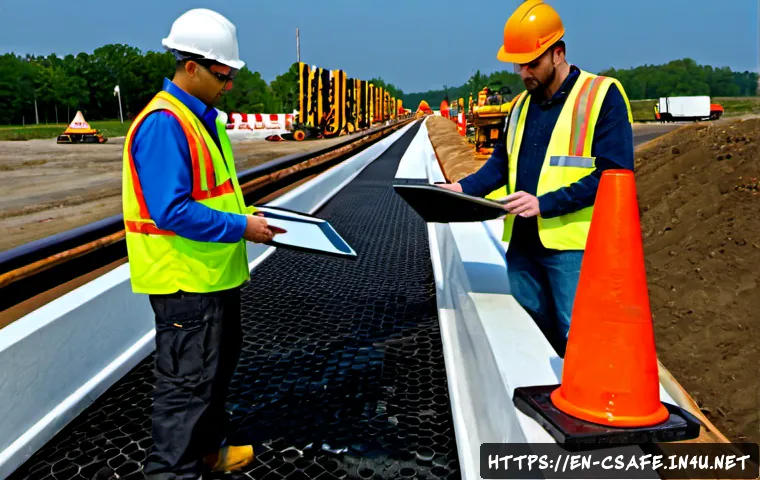
Navigating the construction safety practical exam can feel overwhelming, especially with evolving industry standards and stricter regulations gaining momentum this year.
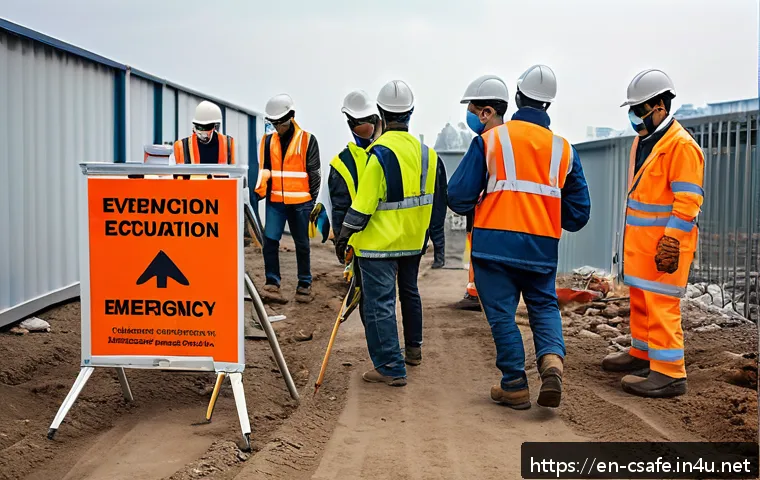
Whether you’re prepping for your first attempt or aiming to sharpen your skills, understanding the most frequently asked questions can make all the difference.
I’ve gathered insights that not only clarify common doubts but also highlight real-world scenarios to boost your confidence. Stick around as we dive into practical tips and expert advice that can help you ace the exam and stay safe on the job site.
This guide is designed to keep you engaged and informed every step of the way.
Mastering Hazard Identification and Risk Assessment on Site
Recognizing Hidden Hazards Beyond the Obvious
When you first step onto a construction site, it’s easy to spot the glaring risks: exposed wiring, heavy machinery in motion, or uneven surfaces. But the real challenge—and what often trips up exam takers—is identifying subtle hazards that aren’t immediately visible.
For example, chemical exposure from solvents stored improperly or the potential for slips in an area that looks dry but has recently been treated with oil.
My experience has shown that training your eyes to scan for less obvious dangers can be a game changer during the practical exam. It’s about developing a sixth sense for what “could go wrong” rather than just what’s plainly there.
This mindset helps you not only answer exam questions accurately but also keeps you genuinely safe on site.
Evaluating Risks with Realistic Prioritization
Many candidates struggle with determining which hazards require immediate attention versus those that can be managed later. This is where understanding the severity and likelihood of each risk plays a crucial role.
During my own preparation, I found it useful to mentally rank risks as “high,” “medium,” or “low” based on potential injury severity and exposure frequency.
For instance, a loose scaffold plank is an immediate high-risk issue needing urgent correction, while minor debris in a seldom-used area might be medium risk.
Bringing this prioritization into your exam answers demonstrates not only your theoretical knowledge but also practical judgment honed by site experience.
Practical Tools to Enhance Hazard Detection
Using checklists, photo documentation, and routine walkthroughs are effective methods to catch and track hazards systematically. When I worked on a large project, maintaining a daily hazard log helped me stay organized and ensured nothing slipped through the cracks.
For the exam, simulating this process by verbally walking through your hazard identification steps can impress evaluators. Remember, it’s not just about naming hazards but showing a structured approach to spotting, recording, and mitigating them.
Effective Communication and Safety Protocol Enforcement
Clear, Concise Safety Briefings
One of the biggest hurdles in real-world construction safety is ensuring everyone understands and follows safety protocols. In the exam, demonstrating how to deliver a quick but thorough safety briefing can set you apart.
I’ve found that breaking down complex rules into simple, relatable points makes a briefing more memorable. For example, instead of reciting regulations verbatim, relating PPE requirements to personal injury stories or near misses tends to resonate better with workers.
This technique not only passes the exam criteria but mirrors effective onsite leadership.
Handling Non-compliance with Tact and Authority
Addressing workers who ignore safety measures is tricky—being too harsh can cause resentment, while being too lenient risks accidents. The exam often tests your approach to this delicate balance.
Drawing from my experience, starting with a private, respectful conversation to understand the root cause of non-compliance works best. Maybe a worker isn’t fully aware of the risk, or the equipment is uncomfortable or faulty.
Then, reinforcing consequences clearly but calmly ensures everyone knows the seriousness without escalating conflict unnecessarily.
Leveraging Visual Aids and Signage
Visual cues are powerful tools to reinforce safety messages. In preparation for the exam, familiarize yourself with the types of signs and signals commonly used on sites and their meanings.
I’ve noticed that referencing specific examples—like color-coded hazard tapes or pictograms for PPE zones—in your answers adds a layer of credibility.
Moreover, discussing how you would implement or improve signage to address recurring hazards shows proactive problem-solving.
Safe Use and Maintenance of Construction Equipment
Pre-Operational Equipment Checks
Before any machine or tool is used, a thorough inspection is critical. During my exam practice, I made it a point to articulate each step of the pre-use check: verifying guards are in place, controls respond correctly, and there are no leaks or cracks.
This detailed approach reassures examiners that you don’t overlook essentials. It’s also a habit I strongly recommend adopting in the field because catching a small fault early can prevent major accidents.
Proper Handling and Operation Techniques
Understanding the correct way to operate equipment isn’t just about safety; it also increases efficiency. I remember the first time I operated a forklift; being mindful of speed limits, load distribution, and blind spots made a huge difference.
In your exam responses, including practical tips like maintaining clear communication with spotters and avoiding distractions shows you’re ready for real site conditions, not just textbook knowledge.
Routine Maintenance and Reporting Procedures
Good maintenance extends equipment life and enhances safety. Explaining how regular servicing schedules and prompt reporting of defects contribute to a safer workplace can elevate your exam answers.
I suggest visualizing a maintenance log system, where daily checks are recorded and any issues flagged immediately for repair. This kind of systematic approach reflects professionalism and reliability, traits highly valued in construction safety roles.
Emergency Preparedness and Response Strategies
Developing Effective Evacuation Plans
Evacuation procedures are often a critical part of safety exams because they test your ability to think quickly under pressure. I’ve learned that tailoring evacuation routes to specific site layouts and ensuring all workers are familiar with these paths is essential.
During the exam, describing how you would conduct regular drills and update plans based on site changes shows thoroughness. Realistically, no plan is perfect, but continuous improvement is key.
First Aid and Immediate Care Basics
Knowing how to respond to injuries promptly can save lives. When I prepared for the exam, I made sure to understand not just the theory but practical first aid steps like controlling bleeding, immobilizing fractures, and recognizing signs of shock.
Sharing anecdotes about times when quick first aid made a difference adds authenticity to your answers. Also, highlighting the importance of accessible first aid kits and trained personnel strengthens your response.
Coordinating with Emergency Services
Effective communication with external emergency responders can mean the difference between minor incidents and disasters. In your exam, explaining how you would establish clear lines of communication, provide accurate site information, and assist responders upon arrival demonstrates leadership.
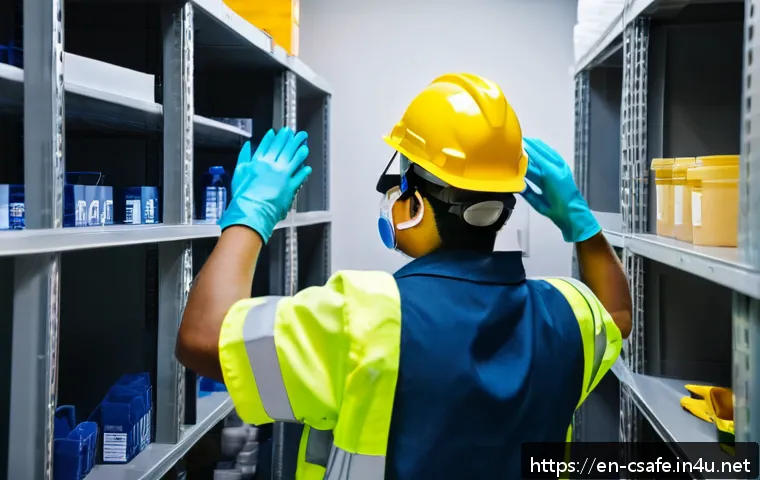
From experience, having a designated emergency coordinator on site who manages this liaison role reduces confusion during crises.
Understanding Regulatory Compliance and Documentation
Keeping Accurate Safety Records
Documentation might seem tedious, but it’s the backbone of compliance and continuous improvement. I’ve found that maintaining detailed safety logs, incident reports, and training records not only satisfies legal requirements but also helps identify patterns that need addressing.
During the exam, outlining a system for regular audits and updates shows you grasp the administrative side of safety management.
Staying Updated with Changing Regulations
Construction safety standards evolve frequently, so staying informed is non-negotiable. I personally subscribe to industry newsletters and attend webinars to keep my knowledge fresh.
When answering exam questions, referencing recent regulatory changes or new best practices signals that you’re proactive and well-prepared for modern site challenges.
Implementing Continuous Safety Training
Regular training sessions ensure that safety knowledge doesn’t stagnate. From my perspective, incorporating hands-on drills and scenario-based learning keeps workers engaged and better prepared.
Describing how you would schedule refresher courses and tailor training to different roles on site can elevate your exam responses by showing you understand the human factor in safety.
Personal Protective Equipment (PPE) Selection and Usage
Choosing the Right PPE for Specific Tasks
One of the most common pitfalls is assuming one-size-fits-all when it comes to PPE. I’ve seen firsthand how selecting the correct gloves, helmets, or eye protection based on specific hazards prevents injuries effectively.
For the exam, discussing factors like material durability, comfort, and compatibility with other gear demonstrates nuanced understanding.
Proper Donning and Doffing Procedures
Wearing PPE incorrectly can render it useless. I always stress the importance of teaching workers the right sequence and technique for putting on and removing equipment to avoid contamination or damage.
Sharing detailed steps and common mistakes during your exam answers shows practical knowledge that goes beyond mere equipment awareness.
Maintenance and Storage of PPE
Keeping PPE clean and in good condition extends its protective capabilities. I recommend explaining how to inspect PPE regularly, clean it according to manufacturer guidelines, and store it in designated areas away from harmful elements.
This attention to detail reflects a thorough approach to safety that examiners appreciate.
Common Construction Site Safety Scenarios and Problem-Solving
Dealing with Unexpected Site Changes
Construction sites are dynamic environments where sudden changes like weather shifts or equipment failures can introduce new hazards. I learned to anticipate these by maintaining flexible safety plans and conducting quick risk reassessments.
Sharing examples of adapting safety measures on the fly during your exam response highlights critical thinking skills.
Managing Worker Fatigue and Its Impact on Safety
Fatigue is often overlooked but significantly increases accident risk. Drawing from experience, I emphasize scheduling breaks, monitoring work hours, and encouraging open communication about tiredness.
Addressing this human factor in your answers shows a mature, holistic view of site safety.
Resolving Conflicts Between Production and Safety Priorities
Balancing the pressure to meet deadlines with maintaining safety standards is a classic challenge. I’ve been in situations where pushing too hard compromised safety, so I advocate for transparent dialogue between supervisors and workers to find solutions that don’t sacrifice either.
Illustrating this in your exam answers demonstrates leadership and ethical commitment.
| Aspect | Key Considerations | Practical Tips |
|---|---|---|
| Hazard Identification | Look beyond visible risks; assess chemical, ergonomic, and environmental hazards | Use checklists and daily walkthroughs to systematically capture hazards |
| Communication | Deliver clear briefings; address non-compliance tactfully; utilize signage | Relate safety rules to real stories; maintain respectful dialogue; update visual aids regularly |
| Equipment Safety | Conduct pre-use checks; follow operation protocols; maintain and report defects | Detail inspection steps; practice safe operation techniques; keep maintenance logs |
| Emergency Preparedness | Plan evacuation routes; provide first aid; coordinate with responders | Run drills; know first aid basics; establish clear communication channels |
| Regulatory Compliance | Maintain accurate records; stay updated on laws; conduct continuous training | Implement audit systems; follow latest standards; engage workers in regular training |
| PPE Usage | Select appropriate gear; ensure proper wear; maintain equipment | Match PPE to tasks; teach donning/doffing; clean and store properly |
| Problem-Solving | Adapt to site changes; manage fatigue; balance safety and productivity | Update safety plans quickly; schedule breaks; foster open communication |
Conclusion
Mastering hazard identification and risk assessment on site is essential for ensuring a safe working environment. By honing your ability to spot hidden dangers, prioritize risks realistically, and communicate effectively, you can significantly reduce accidents. Practical experience combined with thorough preparation empowers you to handle challenges confidently and lead safety efforts with authority.
Helpful Information
1. Regularly update your knowledge on the latest safety regulations to stay compliant and informed.
2. Use visual aids and clear signage to reinforce safety messages and improve worker awareness.
3. Incorporate hands-on training and scenario-based drills to keep safety skills sharp and relevant.
4. Maintain detailed records of equipment checks and incident reports to track and improve safety performance.
5. Foster open communication to address non-compliance and fatigue, promoting a safer, more productive site culture.
Key Takeaways
Effectively identifying and assessing hazards requires looking beyond obvious risks and applying practical judgment to prioritize threats. Clear communication and respectful enforcement of safety protocols build trust and compliance among workers. Consistent equipment maintenance and emergency preparedness reduce the likelihood and impact of accidents. Staying current with regulations and providing continuous training ensure ongoing safety improvements. Lastly, balancing safety with productivity through proactive problem-solving is vital for a successful construction site.
Frequently Asked Questions (FAQ) 📖
Q: uestionsQ1: What are the key topics I should focus on for the construction safety practical exam?
A: Based on my experience and the latest industry updates, you’ll want to concentrate on hazard recognition, proper use of personal protective equipment (PPE), fall protection systems, and emergency response procedures.
These areas consistently appear on the exam because they directly impact job site safety. I found that practicing real-life scenarios, like identifying unsafe conditions or demonstrating correct ladder use, really helped me retain the information and apply it confidently during the test.
Q: How can I best prepare for the hands-on portion of the exam?
A: The hands-on part can be daunting, but hands-on practice is the secret sauce. Try to get as much on-site experience as possible or use simulation tools if you can’t access a live environment.
When I prepared, I focused on physically demonstrating tasks like setting up scaffolding or conducting equipment inspections under timed conditions. This approach helped me not only understand the procedures but also manage the exam pressure better.
Remember, calm and methodical actions often score higher than rushed attempts.
Q: Are there any recent changes in regulations that I should be aware of before taking the exam?
A: Absolutely. The construction safety landscape evolves frequently, with stricter OSHA guidelines and updated ANSI standards gaining traction this year.
For instance, there’s now increased emphasis on silica dust control and enhanced fall protection requirements. I recommend reviewing the latest OSHA bulletins and industry publications right before your exam.
Staying current with these changes not only boosts your exam performance but also ensures you’re practicing safety in line with today’s best standards.