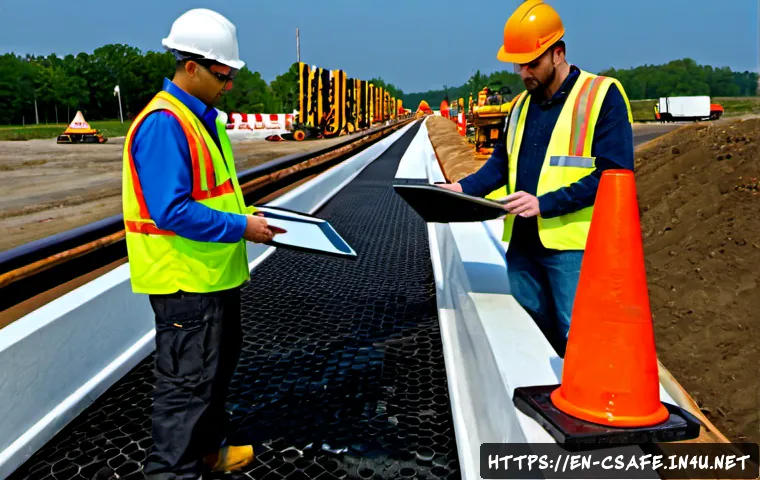
The fastest way to prevent serious construction incidents is to control fall exposure, moving equipment, and hazardous energy before work begins. Use task-specific planning, physical separation, competent supervision, and properly selected PPE instead of relying on signs or generic reminders alone.
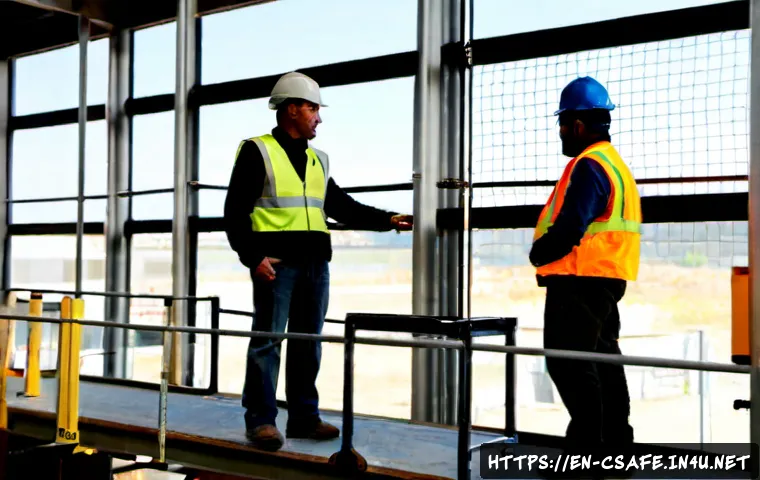
For active sites, the best control is usually the one that removes or isolates the hazard rather than asking workers to manage it perfectly. Formal safety training, PPE procurement, and external compliance support can add value when internal teams lack time, technical competence, or inspection capacity.
The right mix depends on the work scope, site layout, weather, workforce experience, equipment condition, and applicable local requirements. A project-specific risk assessment remains essential.
At a Glance
- Falls: prioritize protected edges, covered openings, safe access, and a workable rescue plan.
- Mobile equipment: separate people and plant with planned routes, exclusion zones, and active supervision.
- High-risk work: verify isolation, lifting controls, equipment condition, and worker competence before the task starts.
| Control Type | Typical Use Case | Internal Effort | Ongoing Cost Considerations | When Specialist Support May Help |
|---|---|---|---|---|
| Pre-task briefing and access rules | Changing daily tasks and mixed crews | Requires consistent supervisor involvement | Time for planning, communication, and follow-up | When teams need a stronger safety training structure |
| Barriers, edge protection, and route controls | Falls, public access, vehicle movement | Setup, inspection, and adjustment as work changes | Installation, maintenance, replacement, and storage | When site layout or temporary works are complex |
| PPE and fall protection equipment | Residual risks that cannot be removed | Fit, issue records, inspection, and user training | Replacement, maintenance, and compatible components | When equipment selection or fit requirements are unclear |
| External safety management or inspections | High-risk, multi-contractor, or fast-changing sites | Coordination with the provider and site leadership | Scope, visit frequency, reporting, and corrective-action support | When internal competence or inspection capacity is limited |
The Fastest Way to Prevent Construction Incidents: Control the Highest-Risk Work First
Start with work that could cause severe harm, affects many workers, or changes rapidly during the shift. A useful safety plan does not begin with a long generic checklist. It begins with the actual task, the current work area, the people involved, and the controls that must be in place before work proceeds.
Start Each Shift With Task-Specific Hazards, Not a Generic Checklist
A short pre-task briefing should identify the day’s work sequence, nearby trades, access routes, weather exposure, energy sources, lifting activities, and changes from the previous shift. Workers should be able to explain the hazard, control, and stop-work trigger in plain language. If the plan changes, the briefing should change too.
Use the Hierarchy of Controls Before Relying Only on PPE
Personal protective equipment is important, but it is usually the last layer of protection. First ask whether the hazard can be removed, isolated, substituted, or controlled through safer work methods. Guardrails are generally more reliable than asking every worker to use fall protection perfectly. A separated vehicle route is more reliable than relying on high-visibility clothing alone.
Three Immediate Priorities: Fall Exposure, Moving Plant, and Energy Hazards
Look first for open edges, floor openings, unsafe access, reversing equipment, temporary power, damaged cables, suspended loads, and uncontrolled energy sources. These risks deserve visible controls and direct supervision. Signs support a control; they do not replace one.
Prevention Examples by Hazard: What Works on Active Jobsites
Fall Prevention: Guardrails, Protected Openings, Access Planning, and Rescue Readiness
Fall prevention starts with stable working platforms, protected edges, secured openings, and planned access. Cover or guard openings so they are not mistaken for walking surfaces. Keep access routes clear and avoid placing materials where workers must step around them. Where personal fall protection is needed, select compatible equipment, confirm fit, inspect it, and ensure workers understand the intended anchorage and rescue arrangements. Buying harnesses without a fit, inspection, and maintenance process can create false confidence.
Vehicle and Pedestrian Separation: Exclusion Zones, Routes, Spotters, and Visibility Controls
Separate pedestrians from mobile plant wherever practical. Mark routes, define crossing points, restrict unnecessary access, and establish exclusion zones around loading, reversing, and delivery areas. A spotter may be useful where visibility is restricted, but the role needs clear communication rules and authority to stop movement. Barriers, lighting, alarms, and route planning can support a site monitoring system, especially where work zones shift frequently.
Electrical Safety: Isolation, Temporary Power Checks, and Damaged-Cable Reporting
Electrical controls should address both planned work and everyday temporary power use. Identify energy sources, isolate where required, control unauthorized re-energization, and keep temporary installations in suitable condition. Damaged cables, improvised connections, wet conditions, and poor housekeeping need prompt reporting and action. Workers should know who can authorize isolation and what to do when equipment is unsafe to use.
Lifting Operations: Lift Plans, Inspected Rigging, Communication, and No-Go Zones
Lifting work needs a clear plan that matches the load, equipment, travel path, landing area, and surrounding activity. Inspect rigging and lifting accessories according to the site process, use agreed communication methods, and keep people away from suspended loads. The no-go zone should be obvious before the lift begins. If ground conditions, access, load stability, or weather changes, pause and reassess rather than continuing under the original plan.
Compare Safety Controls by Cost, Effort, and Risk Reduction Value
Low-Cost Operational Controls: Pre-Task Briefings, Signage, Housekeeping, and Access Rules
Operational controls can be quick to deploy, but they only work when supervisors check that they are followed. Good housekeeping reduces trip hazards and keeps emergency access clear. Clear signage can reinforce exclusion zones and required PPE. These measures are useful, but they should not be treated as the main control for severe risks that require physical protection.
Equipment Investments: Edge Protection, Barriers, Alarms, Lighting, and Wearable PPE
Equipment investments are most valuable when they control a repeated exposure. Examples include edge protection for ongoing elevated work, durable barriers around vehicle routes, lighting for low-visibility work, and suitable PPE for residual hazards. Compare the full requirement, not just the purchase item: compatibility, certification, fitting, inspections, cleaning, replacement, and storage all matter.
Paid Support Options: Accredited Training, Competent-Person Inspections, and External Safety Management
Paid safety support can be appropriate when the site has complex activities, multiple subcontractors, limited internal safety capacity, or a need for structured contractor compliance processes. Training providers may help standardize supervisor and worker knowledge. Competent-person inspections may add an independent review of critical controls. External safety management services can support audits, corrective-action tracking, and site documentation, but site leadership must still own daily decisions.
When a Quote Comparison Is More Useful Than Buying Equipment First
A quote comparison is useful when the issue is not simply a missing item but a broader control gap. For example, a fall protection purchase may not solve unclear access planning or missing rescue readiness. Compare what each provider includes: site visits, inspection scope, reporting, training delivery, follow-up support, equipment specifications, and maintenance expectations. The lowest initial price may not represent the most complete control.
Practical Implementation Steps and Mistakes That Create New Risks
Turn the Risk Assessment Into Clear, Observable Site Rules
Convert risk assessment findings into rules that can be observed in the field. Instead of stating “manage vehicle risk,” specify the pedestrian route, the exclusion zone, the delivery procedure, and the person who can change the plan. Workers and subcontractors should be able to see what safe work looks like.
Assign Ownership for Inspections, Corrective Actions, and Stop-Work Decisions
Every key control needs an owner. Assign responsibility for checking barriers, access equipment, temporary power, lifting areas, PPE condition, and housekeeping. Also define who can stop work when a critical control fails. Delayed corrective action can make a known hazard more dangerous than an unidentified one.
Avoid Checklist-Only Compliance and Unclear Subcontractor Responsibilities
Checklists are useful records, not proof that the work area is safe. A completed form cannot compensate for missing guardrails, poor separation, or untrained workers. Confirm subcontractor responsibilities before work starts, including induction, supervision, equipment inspections, work permits, and reporting routes.
Review Near Misses Before They Become Recordable Incidents
Near misses often reveal weak controls before someone is hurt. Review what happened, why the control did not work as intended, and whether the same condition exists elsewhere on site. Focus on correcting the system rather than simply telling workers to be more careful.
Adjust the Plan for Different Construction Activities and Site Conditions
Small Renovation Projects Versus Multi-Contractor Commercial Sites
Small projects may need simple, direct controls and close supervisor oversight. Larger sites often need formal traffic plans, contractor coordination, controlled access, scheduled inspections, and structured safety training. The scale changes, but the principle remains: control the highest-risk activity before workers are exposed.
Working at Height, Excavation, Demolition, and Confined-Space Activities
These activities can involve changing conditions and serious consequences. They require task-specific planning, clear authorization, suitable equipment, competent supervision, and defined emergency arrangements. Do not assume one control method applies to every activity; the work method and local compliance requirements must be checked for the specific project.
Weather, Night Work, Public Access, and Changing Site Layouts
Weather can affect ground conditions, visibility, electrical exposure, lifting work, and access safety. Night work may require improved lighting and clearer route controls. Public-facing areas need robust separation and access management. Reassess when site roads, storage areas, work fronts, or delivery points move.
Managing Temporary Workers and Subcontractor Onboarding
New workers need a practical site orientation, not only a document signature. Cover emergency arrangements, access routes, reporting methods, required PPE, restricted areas, and task-specific hazards. Confirm that subcontractor supervisors understand their responsibilities and that their workers receive updates when conditions change.
Choosing Safety Controls for Your Site: Decision Criteria and Comparison Summary
Prioritize spending by asking which hazard has the most severe potential outcome, how often workers are exposed, and how many people could be affected. Then compare whether a control removes the hazard, reduces exposure, or merely depends on individual behavior. Check training quality, equipment certification, fit requirements, maintenance needs, inspection support, and service scope before selecting a supplier or provider. Keep essential controls separate from useful upgrades so urgent risks are not delayed by a larger purchasing decision. Before choosing a safety consultant, training provider, PPE supplier, or site monitoring service, ask what is included, who performs the work, how findings are reported, and what follow-up is available. Official specifications and detailed service conditions should be reviewed on the relevant provider’s page.
Conclusion
Construction incident prevention works best when controls are planned before the task, checked during the task, and updated when conditions change. Put physical safeguards and clear work methods ahead of reminders alone. Use PPE as part of a complete system, not as a substitute for safer access, separation, or isolation. When internal resources are limited, targeted training, inspection support, or external safety management may help strengthen the system.
Useful Information to Keep in Mind
1. A toolbox talk is most useful when it addresses the exact work planned that day.
2. PPE needs correct selection, fit, inspection, maintenance, and replacement planning.
3. Site layout changes can create new vehicle, access, and public-protection risks.
4. Near-miss reporting is valuable only when it leads to visible corrective action.
Important Notes
This guide provides general information and does not replace a project-specific risk assessment, competent technical review, or required regulatory compliance process. The suitability of any control depends on the work scope, workforce competence, weather, equipment condition, site layout, and local legal requirements. Training, PPE, monitoring technology, consultant services, and related pricing should be evaluated against the needs of the individual project.
Frequently Asked Questions
Q1. What are the most effective construction safety measures for preventing serious accidents?
A1. Focus first on controlling major fall exposure, separating pedestrians from moving plant, managing hazardous energy, and planning high-risk work such as lifting. Physical safeguards, controlled access, competent supervision, and task-specific planning are generally stronger than relying only on signs or PPE.
Q2. When is it worth hiring an external construction safety consultant or training provider?
A2. External support may be worth considering when a project has complex high-risk work, several subcontractors, changing site conditions, limited internal safety capacity, or a need for independent inspections and structured compliance support. Compare the provider’s scope, competence, reporting process, and follow-up services.
Q3. How should a contractor compare PPE, fall protection, and site monitoring equipment costs?
A3. Compare the complete control system rather than the initial purchase price. Review equipment suitability, certification, compatibility, fitting needs, inspection requirements, maintenance, replacement planning, worker training, and whether the equipment addresses the actual site hazard.