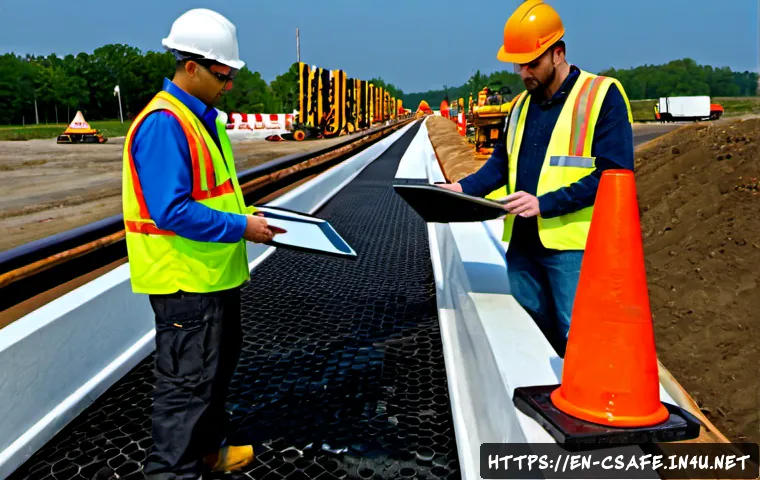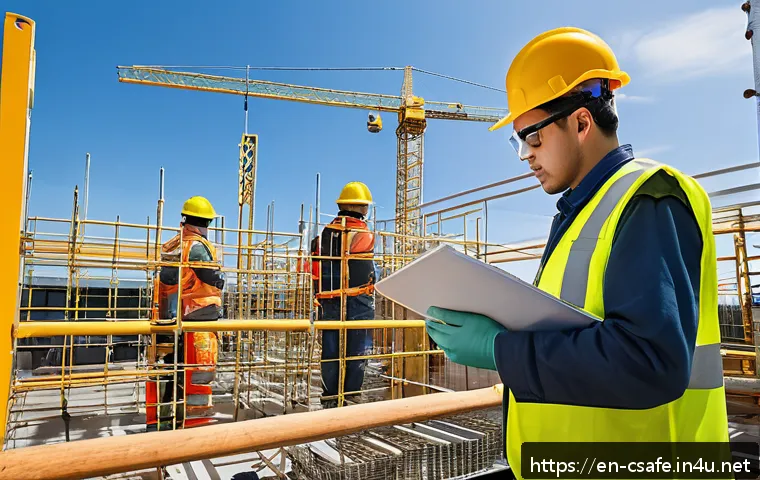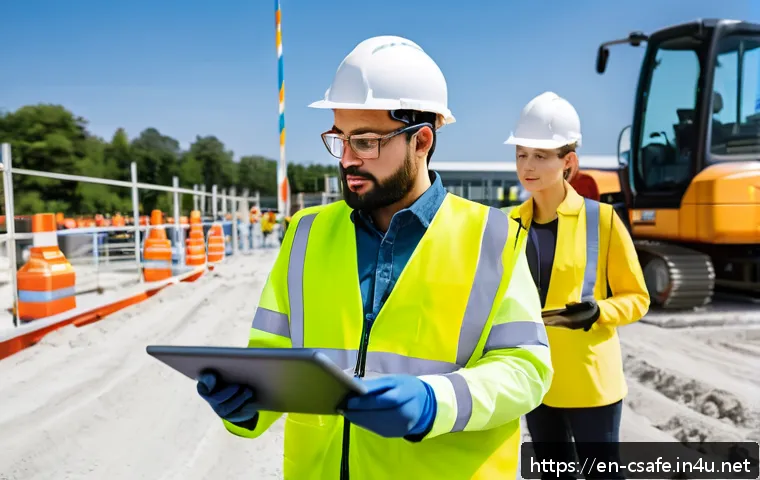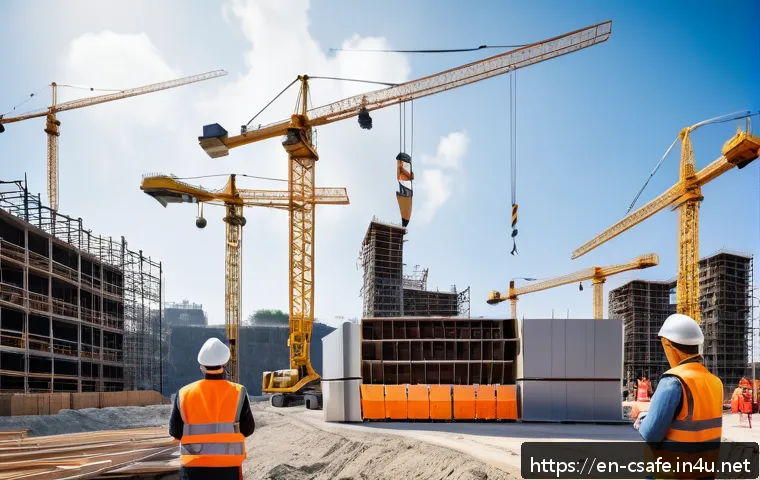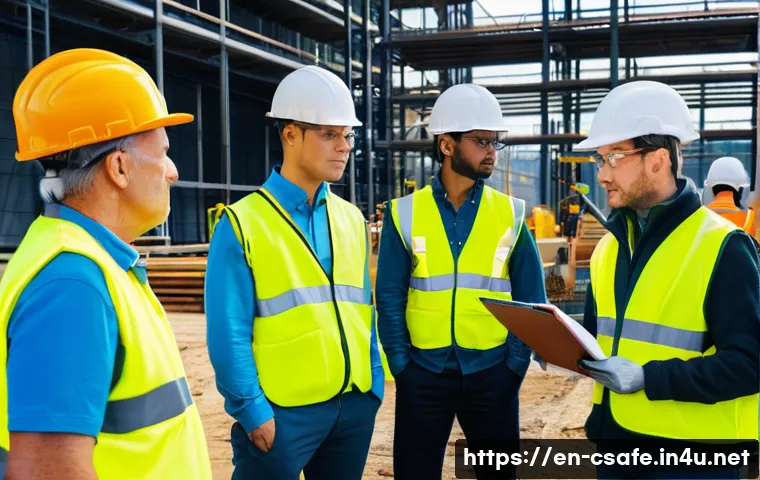
Creating a strong safety culture on construction sites is essential for protecting workers and preventing accidents. It’s not just about rules and regulations; it’s about fostering an environment where everyone feels responsible for their own safety and that of their colleagues.
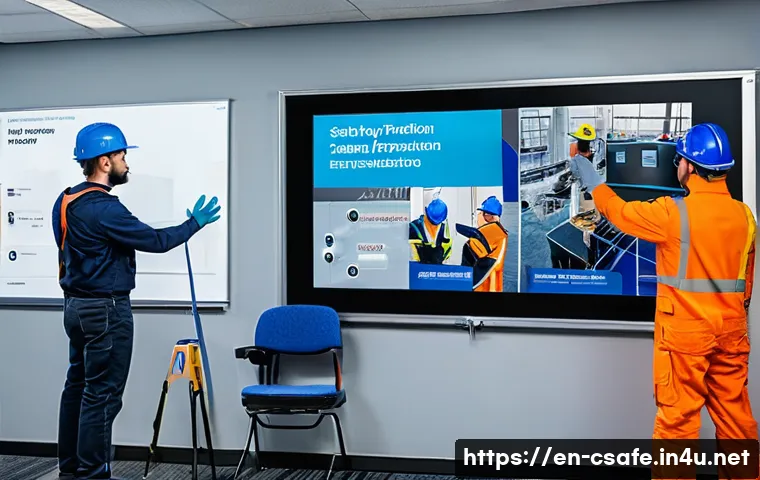
From daily briefings to ongoing training, the right mindset can make all the difference. I’ve seen firsthand how sites with proactive safety cultures experience fewer incidents and smoother operations.
Let’s dive into the best ways to build and maintain this crucial safety culture. I’ll walk you through the details in the sections below!
Embedding Safety into Daily Operations
Morning Toolbox Talks: Setting the Tone
One of the most effective ways I’ve seen to embed safety into daily routines is through morning toolbox talks. These quick, focused meetings, usually held before work begins, help bring safety top of mind.
When I participated in sites that prioritized these talks, the atmosphere felt more alert and collaborative. Workers get a chance to discuss potential hazards for the day, share experiences, and remind each other about safe practices.
These discussions are informal but incredibly impactful because they create a space where safety isn’t just a rule—it’s a shared commitment. Plus, it encourages open communication, which can prevent incidents before they happen.
Consistent Safety Inspections: Catching Risks Early
Regular safety inspections play a crucial role in catching hazards before they cause harm. I’ve noticed that sites with a rigorous inspection schedule tend to spot equipment issues, unsafe behaviors, or environmental risks early on.
This proactive approach allows teams to fix problems quickly, reducing downtime and keeping everyone safer. It’s not just about ticking boxes; it’s about cultivating a habit of vigilance.
When inspections become routine and non-punitive, workers feel empowered to speak up and suggest improvements without fear. This shared responsibility strengthens the overall safety culture significantly.
Incorporating Safety into Performance Reviews
Another strategy that has worked well is integrating safety metrics into individual and team performance evaluations. When I saw this approach in action, it was clear that linking safety to performance motivated workers to take it seriously.
It’s one thing to know the rules, but when your paycheck and career growth are tied to how safely you work, it adds a powerful incentive. Of course, it has to be fair and transparent to avoid resentment.
But when done right, it reinforces that safety is not an afterthought—it’s a core part of job excellence.
Empowering Workers through Training and Education
Hands-On Training: Learning by Doing
No matter how thorough the manuals are, nothing beats hands-on training for instilling safe work habits. I’ve personally found that real-world practice helps workers internalize safety protocols much better than just reading or listening.
For example, when new employees are shown how to properly use fall protection gear or operate heavy machinery under supervision, they feel more confident and less likely to take shortcuts later.
This kind of experiential learning also allows trainers to correct bad habits on the spot, which is crucial for long-term safety.
Regular Refresher Courses: Keeping Knowledge Fresh
Safety training isn’t a one-and-done deal. I’ve observed that sites offering regular refresher courses help keep everyone sharp and up to date with the latest safety standards and technologies.
These sessions also serve as reminders of the company’s commitment to safety, which boosts morale and trust. When workers see that management invests time and resources into continuous education, they tend to mirror that dedication in their daily practices.
Plus, refresher courses help catch complacency before it leads to accidents.
Using Technology to Enhance Learning
Integrating technology into safety training can make a big difference. I’ve experienced how virtual reality simulations or interactive apps can engage workers more effectively than traditional lectures.
These tools allow employees to experience hazardous scenarios in a controlled environment, helping them understand risks without real danger. Moreover, digital platforms make tracking training progress easier for supervisors and ensure no one misses critical updates.
Leveraging technology not only modernizes safety training but also appeals to younger workers who are digital natives.
Building Trust and Accountability Among Teams
Creating Open Channels for Reporting
One of the cornerstones of a strong safety culture is an environment where workers feel safe reporting hazards or near misses without fear of punishment.
I’ve noticed that when supervisors actively encourage and respond positively to reports, it fosters trust. It’s crucial to have anonymous reporting options too, as some workers might hesitate to speak up otherwise.
This openness helps catch problems early and demonstrates that management values every voice, which, in turn, encourages more participation in safety initiatives.
Leadership by Example
Nothing influences workplace behavior more than leaders walking the talk. In sites where supervisors and managers consistently follow safety protocols themselves, workers tend to mirror that behavior.
I’ve seen how when leadership visibly prioritizes safety—wearing PPE, conducting thorough inspections, and addressing concerns promptly—it sends a powerful message.
It builds credibility and shows that safety isn’t just lip service but a genuine priority.
Encouraging Peer-to-Peer Accountability
Encouraging workers to look out for each other creates a community of care. I’ve found that peer-to-peer accountability, where colleagues remind and support one another to follow safe practices, can significantly reduce risky behaviors.
This approach works best when it’s positive and respectful rather than punitive. When everyone feels responsible not only for themselves but also for their teammates, the safety culture becomes self-sustaining and much more resilient.
Leveraging Communication Tools for Safety Awareness
Visual Aids and Signage on Site
Visual reminders are powerful tools for reinforcing safety messages. I’ve seen how strategically placed signs, posters, and color-coded markings can alert workers to hazards and proper procedures without needing constant verbal reminders.
For example, clear signage near dangerous equipment or restricted areas helps prevent accidents by keeping safety top of mind. Visual aids are particularly effective in noisy or fast-paced environments where verbal communication might be missed.
Digital Communication Platforms
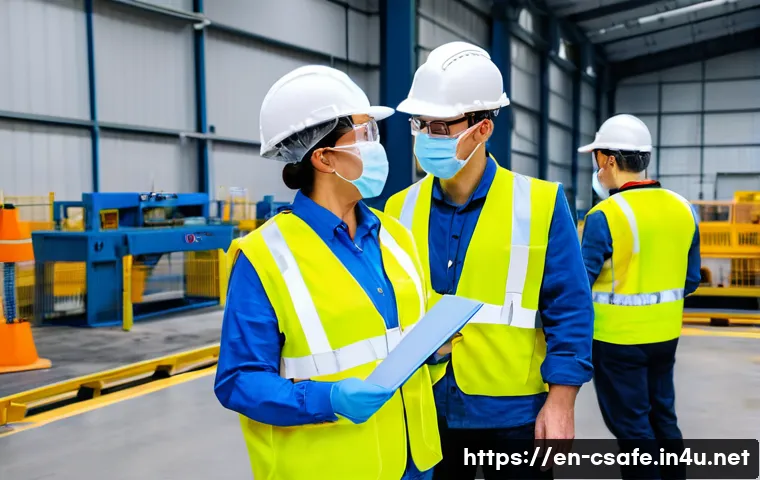
In today’s connected world, using digital platforms to share safety updates and alerts is becoming standard practice. I’ve experienced how apps and group messaging tools enable quick dissemination of critical information, such as weather warnings or equipment recalls.
These platforms also facilitate two-way communication, allowing workers to ask questions or report concerns instantly. This immediacy can make all the difference in preventing incidents or responding swiftly when issues arise.
Storytelling to Reinforce Safety Lessons
Sharing real stories of incidents and near misses helps humanize safety messages. I’ve found that when workers hear firsthand accounts or case studies about accidents and their consequences, the lessons resonate more deeply.
Storytelling makes abstract rules tangible and relatable, which can change attitudes and behaviors more effectively than dry presentations. It also encourages empathy and a collective commitment to preventing similar events.
Recognizing and Rewarding Safe Practices
Incentive Programs That Work
Rewarding safe behavior can motivate workers to maintain high safety standards. I’ve seen incentive programs that offer bonuses, gift cards, or public recognition create a positive buzz around safety.
The key is to design these programs so they reward consistent effort and genuine improvements rather than just the absence of accidents, which can sometimes lead to underreporting.
When done right, incentives foster pride and friendly competition in maintaining a safe workplace.
Celebrating Safety Milestones
Marking milestones like “100 days without an accident” can boost morale and reinforce the importance of safety. I’ve participated in celebrations that bring the whole crew together to acknowledge collective achievements, which strengthens team spirit.
These events also provide opportunities to reflect on what worked well and recommit to safety goals moving forward. Celebrations create positive associations with safety efforts, making them feel rewarding rather than burdensome.
Personalized Recognition
Sometimes, a simple “thank you” or shout-out can mean a lot. I’ve observed that personalized recognition from supervisors, whether in meetings or casual conversations, helps workers feel valued for their safety contributions.
This kind of acknowledgment encourages ongoing vigilance and fosters a culture where safety is genuinely appreciated. It’s a small but powerful way to maintain motivation and build lasting habits.
Integrating Safety with Overall Site Productivity
Balancing Safety and Efficiency
Some people assume safety slows work down, but I’ve learned that a well-implemented safety culture actually improves productivity. When workers aren’t worried about hazards and have clear procedures, they can focus better and work more efficiently.
Sites that integrate safety into workflow planning often see fewer interruptions and delays caused by accidents or investigations. This balance between safety and efficiency benefits both workers and project timelines.
Using Data to Drive Improvements
Data collection and analysis are vital tools for continuous safety improvement. I’ve seen how tracking incident reports, near misses, and inspection results helps identify patterns and areas needing attention.
When teams use this data to make informed decisions, it leads to targeted interventions that prevent future problems. Transparency around safety metrics also encourages accountability and shows commitment to progress.
Collaborative Problem-Solving
Engaging workers in safety problem-solving fosters ownership and creativity. I’ve experienced sites where brainstorming sessions and safety committees bring diverse perspectives together to tackle challenges.
This collaborative approach not only generates practical solutions but also strengthens the sense of community and shared responsibility. When workers feel their input matters, they’re more invested in maintaining a safe environment.
| Safety Strategy | Key Benefits | Example Application |
|---|---|---|
| Morning Toolbox Talks | Enhances communication, raises daily awareness | Brief discussion on weather-related hazards before shift start |
| Hands-On Training | Improves skill retention, boosts confidence | Practical fall arrest system demonstration for new hires |
| Peer-to-Peer Accountability | Builds trust, reduces risky behaviors | Workers remind each other to wear PPE during tasks |
| Digital Communication Platforms | Enables quick info sharing, supports two-way feedback | Safety alerts sent via mobile app for equipment recalls |
| Incentive Programs | Motivates consistent safe practices | Monthly rewards for teams with no reported incidents |
| Data-Driven Improvements | Targets problem areas, promotes accountability | Analyzing near-miss reports to update safety protocols |
Wrapping Up
Embedding safety into everyday operations requires consistent effort and genuine commitment from everyone involved. From morning talks to hands-on training, each step reinforces a culture where safety is second nature. When workers feel empowered, informed, and recognized, the entire team thrives. Ultimately, safety and productivity go hand in hand, creating a workplace where everyone returns home safely.
Useful Tips to Remember
1. Start each day with a brief safety discussion to keep hazards fresh in everyone’s mind.
2. Invest in practical training that allows workers to learn by doing, not just reading.
3. Foster an environment where team members support and hold each other accountable respectfully.
4. Utilize digital tools to quickly share important updates and encourage two-way communication.
5. Recognize and reward safe behaviors consistently to motivate ongoing commitment.
Key Takeaways
Safety is most effective when it’s woven into daily routines and supported by leadership’s example. Regular inspections and data analysis help identify risks early, while open communication channels build trust and engagement. Combining hands-on education with modern technology enhances learning and retention. Finally, acknowledging safe practices through incentives and celebrations strengthens a positive, proactive safety culture that benefits everyone on site.
Frequently Asked Questions (FAQ) 📖
Q: How can daily safety briefings improve the safety culture on construction sites?
A: Daily safety briefings are a powerful tool because they keep safety top of mind for everyone on site. When teams gather each morning to discuss potential hazards, recent incidents, or changes in procedures, it creates a shared sense of responsibility.
From my experience, these briefings boost communication and help workers feel more involved in safety decisions, which leads to fewer accidents and a stronger commitment to following protocols.
Q: What role does ongoing training play in maintaining a proactive safety culture?
A: Ongoing training is essential because it reinforces knowledge and adapts to new challenges or regulations. Construction environments evolve constantly, so workers need to stay updated on best practices and emerging risks.
Personally, I’ve seen how regular refresher courses and hands-on workshops empower workers to recognize hazards before they escalate. This continuous learning mindset builds confidence and helps maintain a culture where safety isn’t just a rule but a shared value.
Q: How can management foster a sense of personal responsibility for safety among workers?
A: Management plays a crucial role by leading through example and creating an environment where every worker feels accountable. When supervisors actively participate in safety activities and openly discuss the importance of looking out for one another, it sets a powerful tone.
I’ve noticed that recognizing safe behaviors and encouraging workers to speak up about concerns without fear of blame makes people more engaged. This approach transforms safety from a checklist into a collective mission everyone owns.