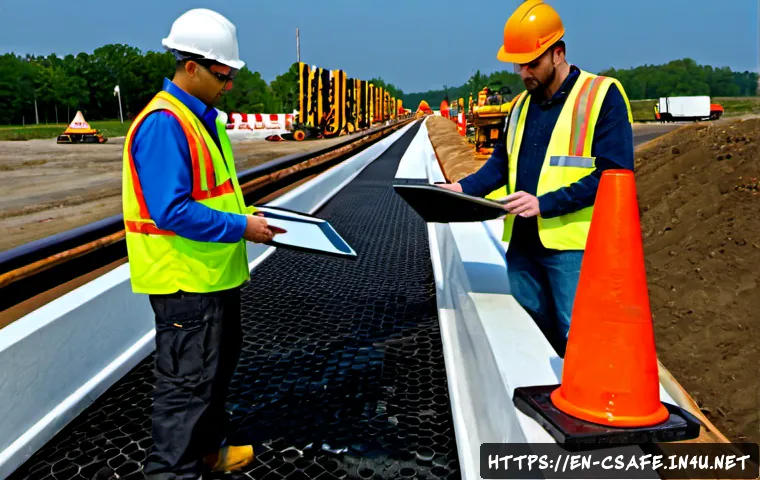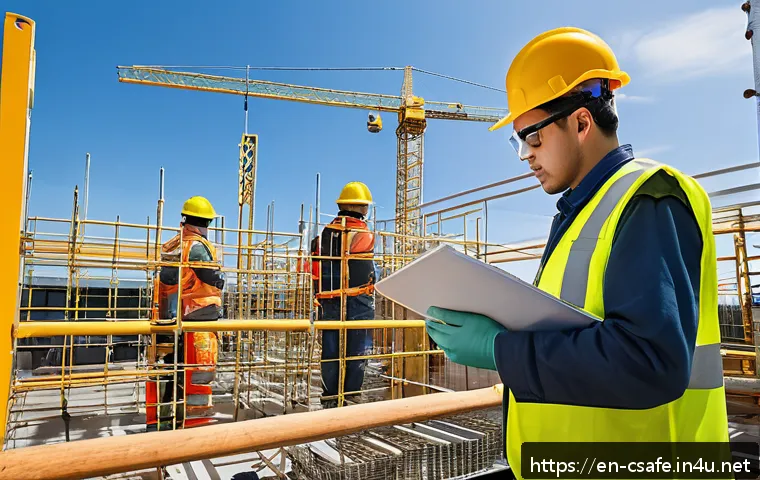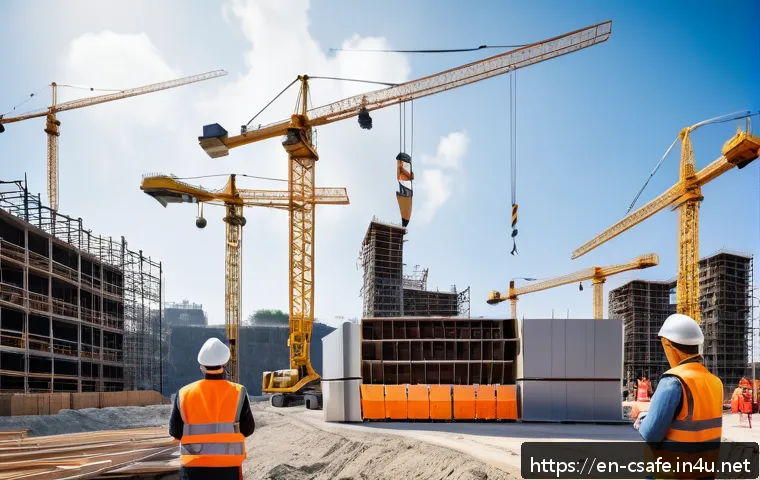
Preparing for the Construction Safety Certification practical exam can feel overwhelming, especially with the vast amount of material to cover and the hands-on skills required.
Understanding key safety protocols, mastering site hazard identification, and getting familiar with real-world scenarios are essential steps to boost your confidence and performance.
From my experience, focusing on practical application rather than just theory makes a huge difference. Whether you’re balancing work and study or aiming for a career upgrade, having the right strategy can save you time and frustration.
Let’s dive into the crucial insights and tips that will help you tackle this exam with ease and certainty. Stick with me as we explore everything you need to know in detail!
Mastering Site Hazard Recognition for Practical Success
Understanding Common Construction Hazards
Getting a solid grip on the types of hazards you’re likely to encounter on a construction site is crucial. From electrical risks to falling objects, knowing what to look for isn’t just about ticking a box—it’s about developing an instinct to spot trouble before it happens.
When I first started preparing, I made it a habit to walk through real or simulated sites, mentally noting potential dangers. This hands-on approach helped me connect textbook knowledge with real-life visuals, making the identification process much more intuitive on exam day.
Using Checklists to Streamline Hazard Spotting
One of the most effective tools I found was creating and using detailed checklists tailored to the exam’s scope. These lists break down hazards by category—like personal protective equipment (PPE) issues, machinery safety, or chemical handling—and make sure nothing slips through the cracks.
Personally, I used color-coded checklists which made reviewing quick and less stressful. During the exam, this method keeps your focus sharp and ensures you cover all critical areas without feeling overwhelmed.
Simulating Real-World Scenarios for Deeper Insight
Theory alone won’t carry you through the practical exam; immersing yourself in real-world scenarios is a game-changer. I practiced by setting up mock situations with peers or trainers, such as responding to a sudden equipment failure or spotting a structural weakness.
These exercises forced me to think on my feet and apply safety protocols dynamically, which boosted my confidence tremendously. If you can, try to spend time at active construction sites or training centers where you can observe and participate in hands-on drills.
Effective Time Management Techniques During the Exam
Breaking Down the Practical Tasks
The exam’s hands-on nature means you’ll be juggling multiple tasks under time pressure. What worked well for me was breaking down the exam into manageable sections, allotting specific time frames to each.
This way, I could avoid spending too long on one task and risking incomplete work elsewhere. For example, I dedicated the first 10 minutes solely to site inspection and hazard identification, then moved on to equipment checks, followed by procedural demonstrations.
Sticking to this structure kept me calm and efficient throughout.
Prioritizing High-Impact Safety Measures
Not every safety step carries the same weight in terms of risk mitigation, so focusing on the most critical aspects first can save precious minutes. During practice, I learned to quickly assess which hazards posed the greatest immediate danger—like unsecured scaffolding or exposed live wires—and address those right away.
This approach not only aligns with best safety practices but also impresses examiners by demonstrating sound judgment and prioritization skills.
Keeping Calm Under Pressure
One surprising challenge is managing stress during the exam. When the clock is ticking, it’s easy to get flustered and rush, leading to careless mistakes.
I found deep breathing and brief mental resets between tasks incredibly helpful. It might sound simple, but taking a moment to regroup can sharpen your focus and prevent costly errors.
Practicing under timed conditions beforehand also helped me build resilience, so the real exam felt like just another drill.
Practical Use of Safety Equipment and PPE
Choosing the Right PPE for Each Task
Understanding which personal protective equipment fits which job isn’t just about compliance—it’s about protection that’s tailored to specific risks. For instance, I learned that a standard hard hat is essential, but certain tasks might require additional gear like face shields or hearing protection.
During my preparation, I made it a point to physically handle and wear different PPE types to get comfortable with their use and limitations. This hands-on familiarity made explaining and demonstrating their correct application during the exam much more natural.
Inspecting Safety Gear Before Use
One detail that often trips people up is neglecting to check their equipment’s condition. I always double-checked my PPE for cracks, wear, or contamination before starting any task.
This habit not only ensures safety but shows examiners your attention to detail and commitment to best practices. Even if the exam scenario doesn’t explicitly ask for it, demonstrating this step can set you apart.
Proper Storage and Maintenance of Equipment
Knowing how to store and maintain safety equipment is part of the overall safety culture. From experience, I can tell you that examiners appreciate candidates who understand that safety gear isn’t just used—it’s cared for.
I took time to learn proper cleaning procedures, storage environments, and replacement schedules. Including this knowledge in your exam answers or demonstrations highlights your professionalism and long-term commitment to workplace safety.
Key Regulatory Standards and Compliance
Familiarizing Yourself with Local Safety Codes
Every construction site operates under a set of safety regulations that you must know inside out. I focused on the most relevant OSHA standards and any local amendments that apply to my region.
Instead of rote memorization, I tried to understand the purpose behind each rule, which helped me recall them more easily during practical scenarios. This understanding also gave me confidence to explain why certain measures are mandatory, impressing examiners with my grasp of regulatory intent.
Documenting Safety Procedures Accurately
Proper documentation is often overlooked but is a vital part of safety compliance. I practiced filling out incident reports, safety checklists, and inspection logs as part of my prep.
Getting comfortable with the format and terminology helped me avoid fumbling during the exam. Plus, well-documented procedures are a strong indicator of a safe and organized work environment, which examiners highly value.

Adapting to Updates in Safety Standards
Safety standards aren’t static—they evolve as new hazards emerge and technologies advance. I made it a habit to review recent updates from official sources regularly.
Staying current not only prepares you for exam questions about recent changes but also sets you up as a knowledgeable professional in your field. This proactive mindset is something I personally found rewarding and motivating throughout my preparation journey.
Communication Skills for On-Site Safety Coordination
Clear and Concise Safety Briefings
Effectively communicating safety protocols to your team is as important as knowing them yourself. During my preparation, I practiced delivering briefings that were straightforward but comprehensive.
Using simple language and emphasizing key points helped ensure everyone understood potential risks and their roles in mitigation. Examiners often look for candidates who can clearly articulate safety plans, so honing this skill can boost your practical exam performance.
Active Listening and Feedback Reception
Safety is a two-way street, and being open to feedback is essential. I learned to actively listen during group discussions or mock safety meetings, which helped me identify gaps or concerns that I might have missed.
Demonstrating this collaborative attitude during the exam shows examiners that you value team input and are willing to adapt your approach for better safety outcomes.
Conflict Resolution in Safety Scenarios
Sometimes, safety enforcement can lead to disagreements on-site. Preparing for this, I role-played scenarios where I had to diplomatically handle resistance to safety measures.
Using empathy and clear reasoning helped me defuse tension and find practical solutions. This ability to manage conflict constructively is a valuable asset in any safety role and often impresses examiners when demonstrated convincingly.
Hands-On Skills for Equipment and Tool Safety
Proper Handling and Operation of Machinery
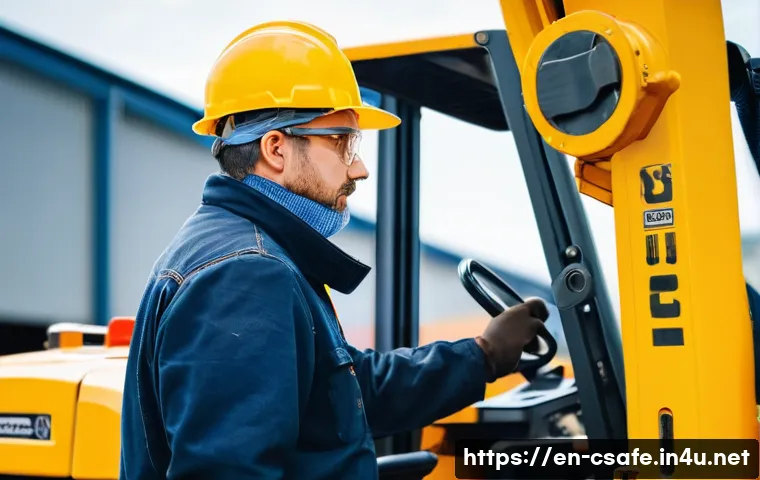
Knowing how to safely operate construction machinery is a cornerstone of the practical exam. I spent ample time practicing with equipment like forklifts, cranes, and power tools under supervision.
This real-world practice helped me understand the nuances of each machine’s controls and safety features. On exam day, this familiarity translated into smooth, confident demonstrations that clearly showed my competence.
Routine Equipment Inspection Procedures
Before any operation, inspecting equipment for defects or malfunctions is non-negotiable. I developed a mental checklist for inspections, covering critical points like hydraulic leaks, brake function, and safety guards.
Practicing these steps repeatedly made them second nature, so I didn’t have to hesitate during the exam. This thoroughness not only improves safety but also reflects your professionalism and care.
Emergency Shutdown and Safety Protocols
Knowing how to respond if equipment fails or an emergency arises is vital. I drilled emergency shutdown procedures until I could perform them instinctively.
This preparedness helped me stay calm during simulations and showed examiners that I’m ready to handle unexpected situations safely. Including this in your practical demonstration can be a real confidence booster and a highlight of your exam performance.
Summary of Essential Preparation Strategies
| Preparation Aspect | Effective Strategy | Personal Tip |
|---|---|---|
| Hazard Recognition | Use color-coded checklists and simulate real scenarios | Visit active sites to connect theory with practice |
| Time Management | Segment tasks and prioritize high-risk hazards | Practice under timed conditions to build resilience |
| PPE Handling | Physically handle gear and inspect before use | Learn maintenance for long-term safety culture |
| Regulatory Knowledge | Understand purpose behind safety codes | Stay updated on recent standards changes |
| Communication | Practice clear briefings and active listening | Role-play conflict scenarios to improve resolution skills |
| Equipment Skills | Hands-on practice and thorough inspections | Drill emergency shutdown procedures regularly |
Wrapping Up
Mastering site hazard recognition and practical safety skills is essential for success in any construction environment. By combining hands-on experience with solid knowledge of regulations and communication, you build confidence and professionalism. Remember, preparation is not just about passing exams but about fostering a safety-first mindset that protects everyone on site. Stay curious, stay alert, and keep practicing to maintain your edge.
Useful Tips to Keep in Mind
1. Always integrate real-world practice with theoretical learning to better recognize hazards in actual situations.
2. Use color-coded checklists or personalized tools to organize your safety inspections efficiently and reduce stress.
3. Prioritize high-risk hazards first during any safety assessment to make the most impactful interventions.
4. Regularly update yourself on the latest safety regulations and standards to remain compliant and informed.
5. Practice clear communication and active listening to foster teamwork and resolve conflicts smoothly on site.
Key Takeaways for Safety Excellence
Successful hazard recognition and site safety depend on thorough preparation, practical experience, and effective communication. Focus on mastering equipment handling, PPE use, and regulatory compliance while managing your time and stress wisely during assessments. Developing these skills not only impresses examiners but also builds a strong foundation for a safer work environment. Consistent practice and staying current with safety updates are critical to maintaining your competence and confidence in the field.
Frequently Asked Questions (FAQ) 📖
Q: What are the most important safety protocols I should focus on for the practical exam?
A: From my experience, prioritizing protocols like proper personal protective equipment (PPE) usage, fall protection measures, electrical safety, and safe material handling is key.
These areas frequently come up in both the practical and theory parts of the exam. Make sure you not only know the rules but also practice applying them in simulated site conditions.
This hands-on familiarity really boosts your confidence and helps you respond quickly during the test.
Q: How can I effectively identify hazards on a construction site during the exam?
A: The trick is to train your observation skills by regularly walking through real or mock construction sites, focusing on common risks like unsecured scaffolding, exposed wiring, and improper storage of tools or materials.
During the exam, take your time to scan the area methodically—look from multiple angles and think like a safety inspector. Personally, I found that practicing with a checklist helped me remember critical hazards and made my hazard identification more thorough and less stressful.
Q: What’s the best way to balance studying for the exam with a busy work schedule?
A: I totally get how challenging that can be. What worked for me was breaking down the material into small, manageable chunks and setting realistic daily goals.
Instead of cramming, I focused on short, focused study sessions combined with practical drills whenever possible. Also, leveraging online resources and mobile apps allowed me to study during downtime, like commutes.
Staying consistent and mixing theory with hands-on practice keeps your mind engaged and reduces burnout.