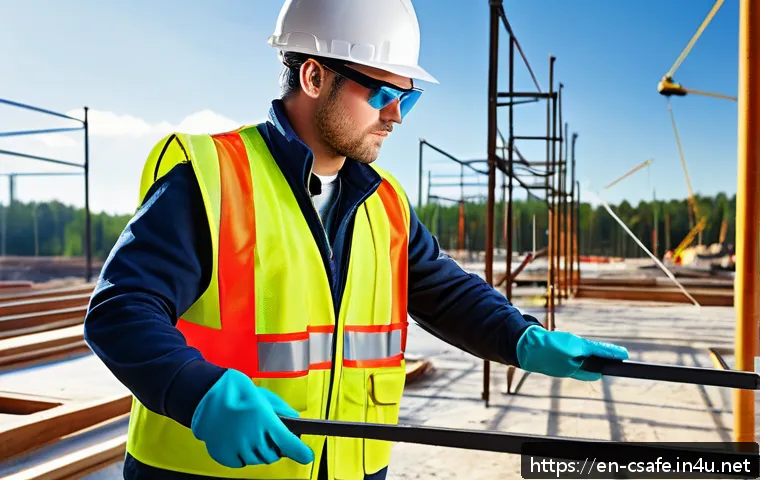
Navigating the construction safety certification practical exam can feel overwhelming, especially with evolving industry standards and heightened safety regulations making headlines.
Staying prepared with the right gear isn’t just about passing—it’s about ensuring your confidence and competence on the job site. From personal protective equipment to essential tools, having a well-organized checklist can make all the difference.
In this post, I’ll walk you through the must-have items that helped me breeze through the exam and stay safe in real-world scenarios. Whether you’re a first-timer or refreshing your skills, this guide will keep you sharp and ready to ace your certification.
Let’s dive into the essentials that will set you up for success!
Choosing the Right Protective Gear for Maximum Safety
Hard Hats and Their Critical Role
When it comes to head protection, not all hard hats are created equal. Depending on the construction environment, you’ll want to pick a hard hat that meets the latest ANSI standards, offering impact resistance and electrical insulation if necessary.
I remember during my first exam prep, I underestimated the comfort factor, but after switching to a model with better ventilation and an adjustable suspension system, I could focus better without constant distractions from discomfort.
This small change made a big difference not only during the exam but also on actual job sites where long hours demand comfort alongside safety.
Eye and Face Protection Essentials
Safety goggles or face shields often get overlooked, but protecting your eyes from flying debris, dust, and chemical splashes is crucial. For the exam and real work scenarios, I always recommend anti-fog and scratch-resistant lenses because fogging can be a real nightmare, especially when you’re moving between different temperature zones or wearing a mask.
It’s also wise to have interchangeable lenses or tinted options if you’re working outdoors under strong sunlight. Trust me, having clear vision saves time and prevents accidents.
Choosing the Right Gloves for Different Tasks
Gloves might seem like a simple piece of gear, but their functionality varies greatly depending on the job. Leather gloves are great for handling rough materials, while cut-resistant gloves shine when working with sharp tools or metal.
During my practical exam, I realized that wearing gloves that fit well and allow dexterity was a game-changer — bulky gloves slowed me down, and too-thin gloves compromised safety.
Finding that balance helped me move confidently through tasks without hesitation.
Footwear That Supports Both Safety and Mobility
Understanding Safety Standards for Work Boots
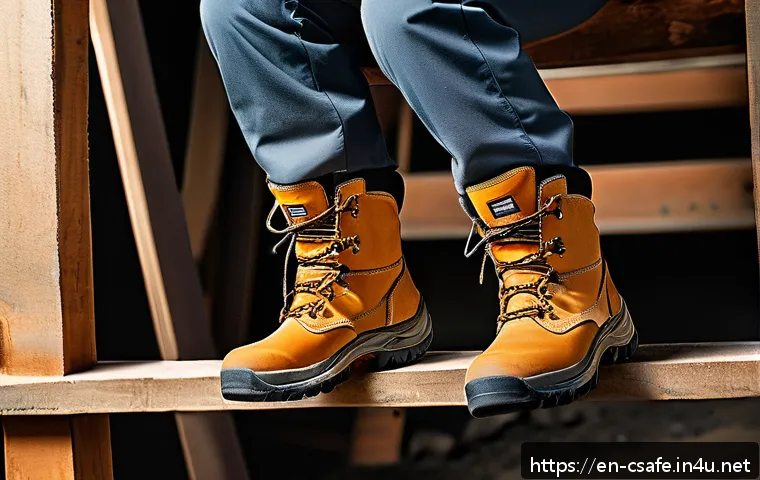
Not all boots labeled “construction” offer the same level of protection. ASTM-rated boots with steel or composite toe caps are essential for preventing crush injuries.
I learned firsthand that composite toes are lighter and more comfortable for long periods, especially in hot weather, but steel toes offer unbeatable durability for heavy-duty environments.
Slip resistance is another must-have feature since many work sites have slick surfaces. When preparing for the exam, I made sure my boots met all these criteria, which helped me stay steady during practical tasks.
Comfort Features That Matter
The exam can be physically demanding, and comfort really matters. Boots with cushioned insoles, moisture-wicking linings, and breathable materials kept my feet from getting overly tired or sweaty.
I tried a few brands before settling on one that balanced protection and comfort, which helped me maintain focus without the distraction of sore feet.
Don’t overlook ankle support either, especially if you’ll be climbing ladders or uneven surfaces during the test.
Maintaining and Inspecting Your Footwear
Keeping your boots in tip-top shape can’t be overstated. I developed a habit of inspecting soles for wear and tear, checking laces, and cleaning off mud and chemicals regularly.
For the exam day, I always double-checked my boots to avoid unexpected slips or discomfort. Good maintenance extends the life of your boots and ensures consistent protection.
Essential Tools and Devices for Practical Exam Success
Measuring Tools That Ensure Precision
Accurate measurements are the backbone of many practical tasks. A reliable tape measure with clear markings and a sturdy lock mechanism is non-negotiable.
I personally prefer a model with a magnetic tip because it sticks to metal surfaces, freeing up my hands. During the exam, having a tool that I trusted made all the difference in completing tasks efficiently without second-guessing my numbers.
Inspection and Communication Devices
Walkie-talkies or simple two-way radios aren’t just for large crews—they can be handy during practical tests if allowed, especially when coordinating tasks or clarifying instructions.
Additionally, a flashlight with a strong beam and adjustable focus helped me inspect hard-to-see areas. On one exam day, the flashlight saved me from missing a crucial detail in a dim corner.
These devices increase your situational awareness and help prevent mistakes.
Organizing Your Tool Kit
A well-organized tool kit reduces stress and saves precious time. I recommend using a compact, durable bag with compartments so you can quickly grab what you need without rifling through everything.
Labeling or color-coding tools can also speed things up, which is especially helpful when you’re under exam pressure. Having a checklist and packing the night before proved invaluable for me to avoid last-minute panics.
Clothing Choices That Enhance Safety and Comfort
High-Visibility Apparel
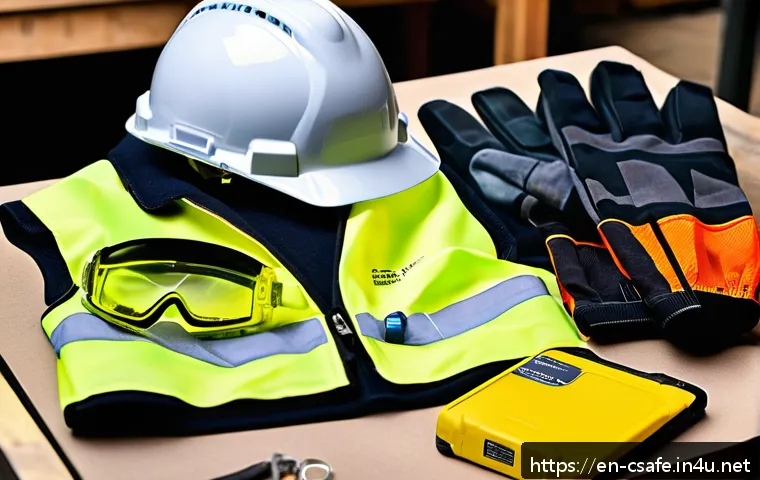
Wearing high-visibility vests or jackets can prevent accidents by making you easily seen by coworkers and machinery operators. For the exam, I opted for apparel with reflective strips, which proved helpful during early morning tasks in low-light conditions.
It’s not just a rule—it’s a practical step that ensures you stay in the operator’s line of sight, reducing the risk of injury.
Weather-Appropriate Layers
Construction sites don’t pause for weather changes, so dressing in layers is smart. Breathable fabrics that wick away sweat in hot weather and insulated layers for colder days keep you comfortable and focused.
I once faced a chilly morning test that became challenging simply because I wasn’t prepared with proper layering. Now, I always check the forecast and pack accordingly, balancing protection and mobility.
Durability and Flexibility in Workwear
Your clothes need to withstand abrasion and allow freedom of movement. Durable work pants with reinforced knees and stretch panels helped me maneuver easily while staying protected.
Avoiding restrictive clothing meant I could perform bending, lifting, and climbing tasks without hesitation, which is crucial during timed practical exams.
Creating a Personalized Safety Checklist
Why a Checklist Makes a Difference
Having a personalized checklist is more than just a reminder—it’s a confidence booster. Before my exam, I created a list tailored to my needs and exam requirements, which eliminated last-minute scrambling.
Knowing that every item was packed and ready allowed me to focus purely on performing the tasks rather than worrying about missing equipment.
Key Items to Include
Your checklist should cover personal protective equipment, tools, documentation, and even small extras like water bottles or snacks. I found it helpful to categorize items by type and double-check everything the day before.
This routine made my exam days stress-free and helped maintain a steady workflow.
Using Technology to Stay Organized
Apps and digital reminders can complement your physical checklist. Setting notifications for packing and inspection times kept me on track, especially during a busy exam week.
Combining analog and digital methods created a system that worked well for me and kept my preparation consistent.
Quick Reference: Essential Equipment Overview
| Category | Item | Key Features | Why It Matters |
|---|---|---|---|
| Head Protection | Hard Hat | ANSI certified, adjustable suspension, ventilation | Prevents head injuries, ensures comfort during long wear |
| Eye Protection | Safety Goggles | Anti-fog, scratch-resistant, interchangeable lenses | Protects from debris and chemical splashes, maintains clear vision |
| Hand Protection | Gloves | Leather or cut-resistant, proper fit, dexterity | Prevents cuts and abrasions, allows precise handling |
| Footwear | Work Boots | ASTM-rated, steel/composite toe, slip-resistant sole | Protects feet from impact and slips, supports mobility |
| Measuring Tools | Tape Measure | Magnetic tip, sturdy lock, clear markings | Ensures accurate measurements, speeds task completion |
| Lighting | Flashlight | Strong beam, adjustable focus, portable | Improves visibility in low-light areas, aids inspections |
| Apparel | High-Visibility Vest | Reflective strips, breathable material | Enhances visibility, reduces accident risk |
Maintaining Your Safety Gear for Long-Term Use
Routine Cleaning and Inspection
Regular maintenance of your safety equipment extends its lifespan and effectiveness. I developed a weekly routine to clean my hard hats, gloves, and boots, inspecting them for cracks, wear, or damage.
Spotting a worn-out strap or a cracked lens early can prevent failures during both exams and actual work.
Proper Storage Practices
Where and how you store your gear impacts its condition. Keeping items in a cool, dry place away from direct sunlight prevents material degradation. For example, I learned that storing boots near heaters caused the soles to crack prematurely, so I switched to a dedicated gear closet that preserves their quality.
Replacing Gear at the Right Time
Knowing when to replace safety gear is crucial. Some items have expiration dates or show wear signs that compromise protection. During my preparation, I made it a point to replace gloves and helmets after a certain period or visible damage, ensuring I never risked my safety for the sake of saving money.
Prioritizing replacement is an investment in both exam success and real-world safety.
In Conclusion
Choosing the right protective gear is essential for ensuring both safety and comfort during exams and on the job. Paying attention to quality, fit, and maintenance can make a significant difference in performance and injury prevention. Investing time in selecting and caring for your equipment not only boosts confidence but also promotes long-term well-being in demanding environments.
Helpful Tips to Remember
1. Always prioritize comfort alongside safety features to maintain focus during long hours.
2. Use anti-fog and scratch-resistant lenses to ensure clear vision in various conditions.
3. Select gloves that balance protection with dexterity to improve task efficiency.
4. Maintain and inspect your footwear regularly to prevent accidents and extend lifespan.
5. Organize your tools and create a personalized checklist to reduce stress and improve readiness.
Key Takeaways for Maximum Safety
Ensuring maximum safety starts with choosing gear that meets recognized standards and fits well. Proper maintenance and timely replacement of equipment keep protection reliable over time. Comfort and functionality should never be compromised, as they directly impact your ability to perform tasks effectively. Lastly, staying organized and prepared with a checklist and suitable tools can greatly reduce anxiety and mistakes during practical exams or work situations.
Frequently Asked Questions (FAQ) 📖
Q: uestionsQ1: What are the most critical personal protective equipment (PPE) items I should bring to the construction safety certification practical exam?
A: Based on my experience, the essentials include a hard hat, high-visibility vest, safety glasses, gloves, steel-toed boots, and hearing protection. These items not only comply with standard safety regulations but also show the examiners that you’re prepared to prioritize your safety.
I found that having each piece ready and in good condition helped me feel confident and focused during the practical tasks.
Q: How can I organize my tools and gear efficiently to avoid last-minute stress before the exam?
A: Creating a checklist well in advance is a game-changer. I recommend grouping your items by category—PPE, hand tools, measuring devices, and paperwork.
Pack everything in a sturdy toolbox or backpack the day before, and double-check it against your list. This routine helped me reduce anxiety and ensured I didn’t forget anything crucial, which made my exam day much smoother.
Q: Are there any practical tips to stay calm and perform well during the safety certification practical exam?
A: Absolutely. From personal experience, pacing yourself and focusing on each task one at a time made a huge difference. Before starting, take a few deep breaths to center yourself.
Remember, the exam tests your real-world skills, so thinking like you’re on an actual job site helped me stay grounded. Also, don’t hesitate to ask for clarification if instructions aren’t clear—better to confirm than to make avoidable mistakes.